Selecting a wood-based panel for a commercial project involves more than comparing board prices. Furniture manufacturers, fit-out contractors, and interior material distributors must consider dimensional stability, machining requirements, surface compatibility, moisture exposure, and the expected service life of the finished installation.
A panel that performs well in a dry cabinet may not be the right choice for a wall system or a high-traffic retail environment. The most reliable selection process starts with the application, then evaluates the substrate's physical properties and processing requirements.
Start with the Application, Not Just the Board Type
Commercial furniture and interior projects have different performance priorities. Cabinet carcasses and display counters need reliable screw-holding strength and consistent machining quality. Decorative wall systems require dimensional stability, suitable edge treatment, and a finish that remains visually consistent across large surfaces. Flooring applications add requirements for joint design, wear layers, and installation tolerances.
Before choosing a substrate, define the operating conditions:
Will the panel be used for furniture, walls, or floors?
Will it be installed in a dry, humid, or frequently cleaned environment?
Does the design require grooving, chamfering, CNC machining, or curved profiles?
Which decorative surface will be applied?
How long is the expected service period?
These questions help narrow the material options and prevent specification decisions based only on nominal thickness or price.
Compare the Main Wood-Based Substrate Options
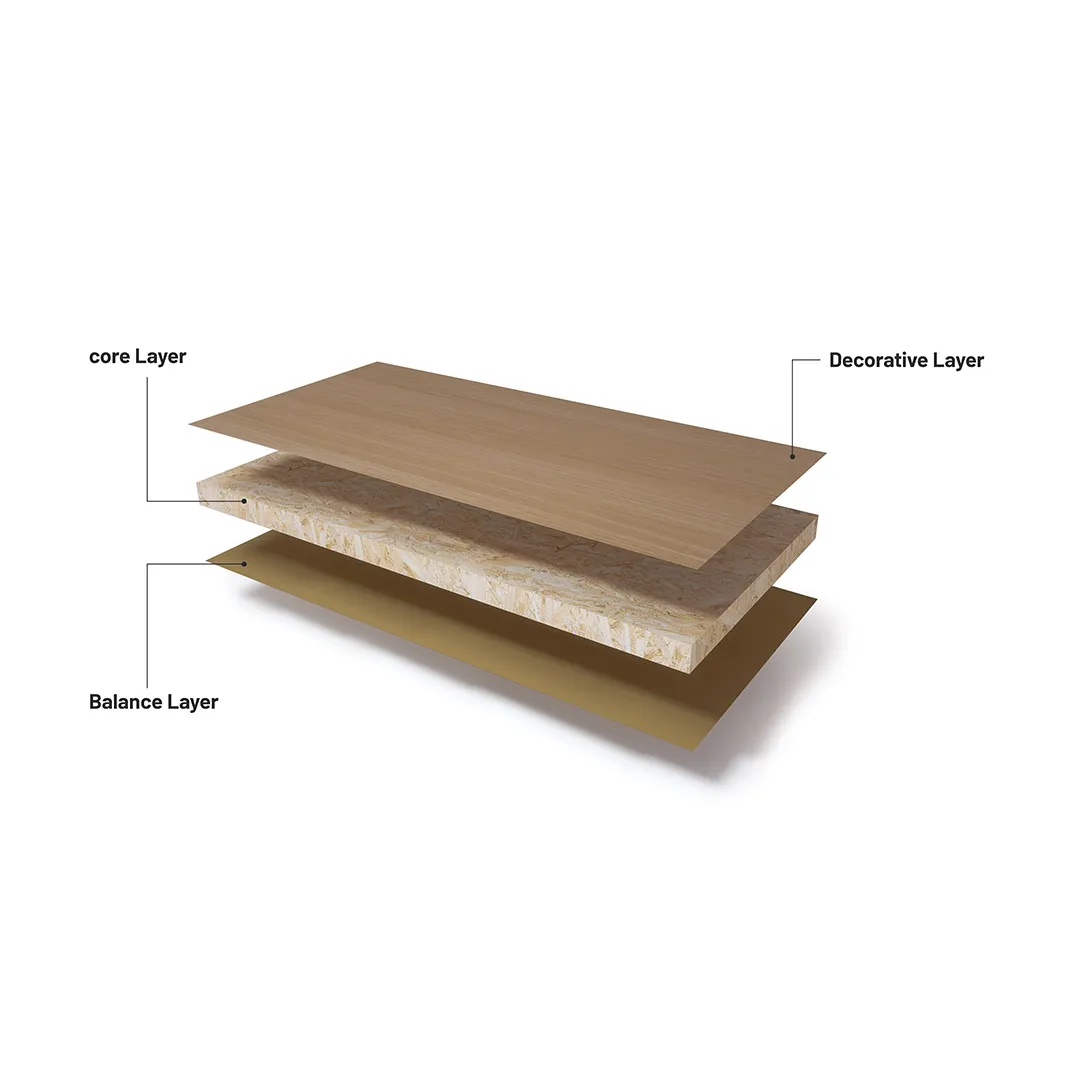
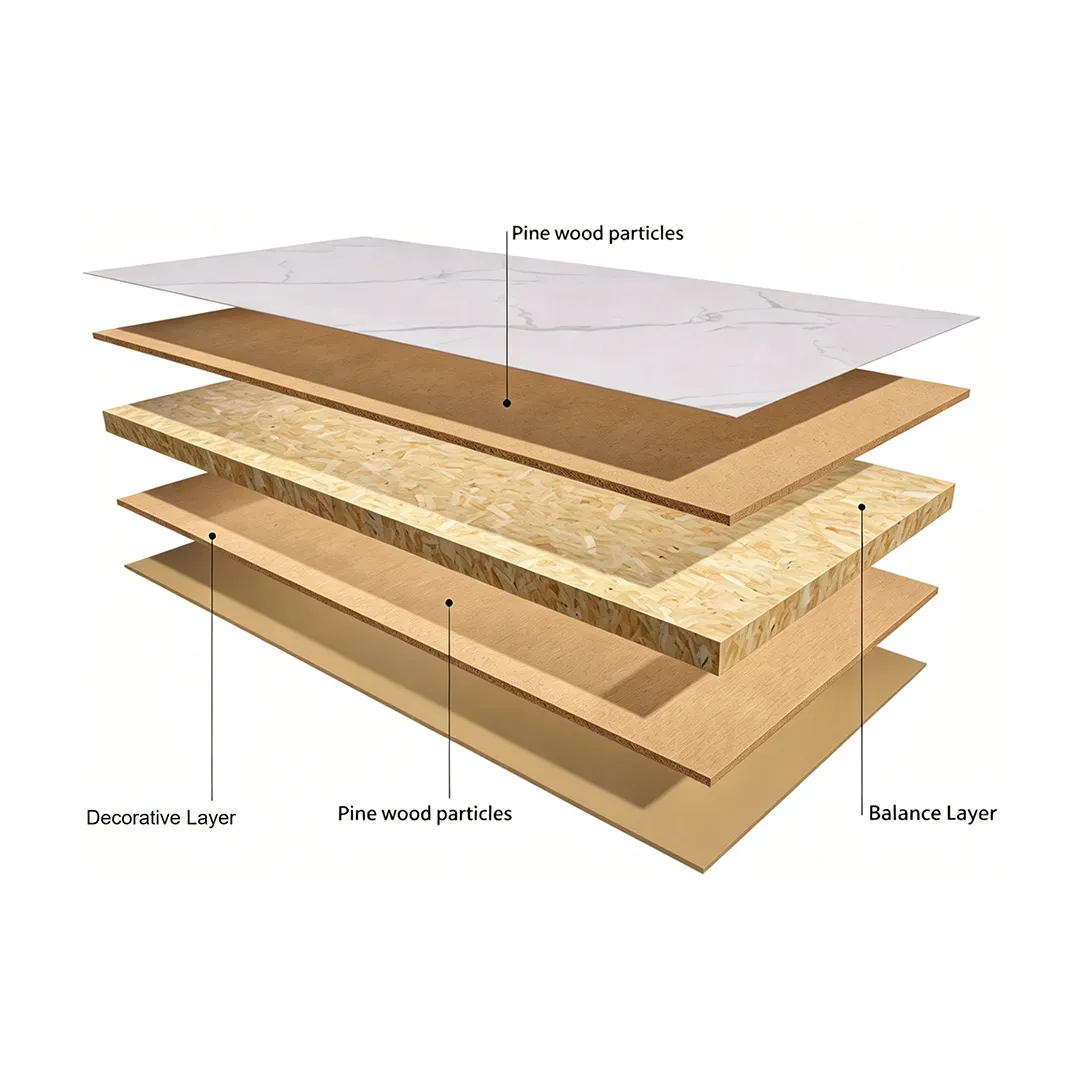
Particleboard, medium-density fiberboard, wood-fiber panels, and oriented strand board are not interchangeable. Their structures and processing characteristics influence where each product is most suitable.
For projects that require a balance between cost and decorative flexibility, a wood fiber panel can be considered for general commercial applications. The product information identifies several facing options, including SA finish, wood veneer, aluminum skin, PVC, PP, fabric, and PET. This flexibility can help manufacturers coordinate the substrate with different interior design requirements.
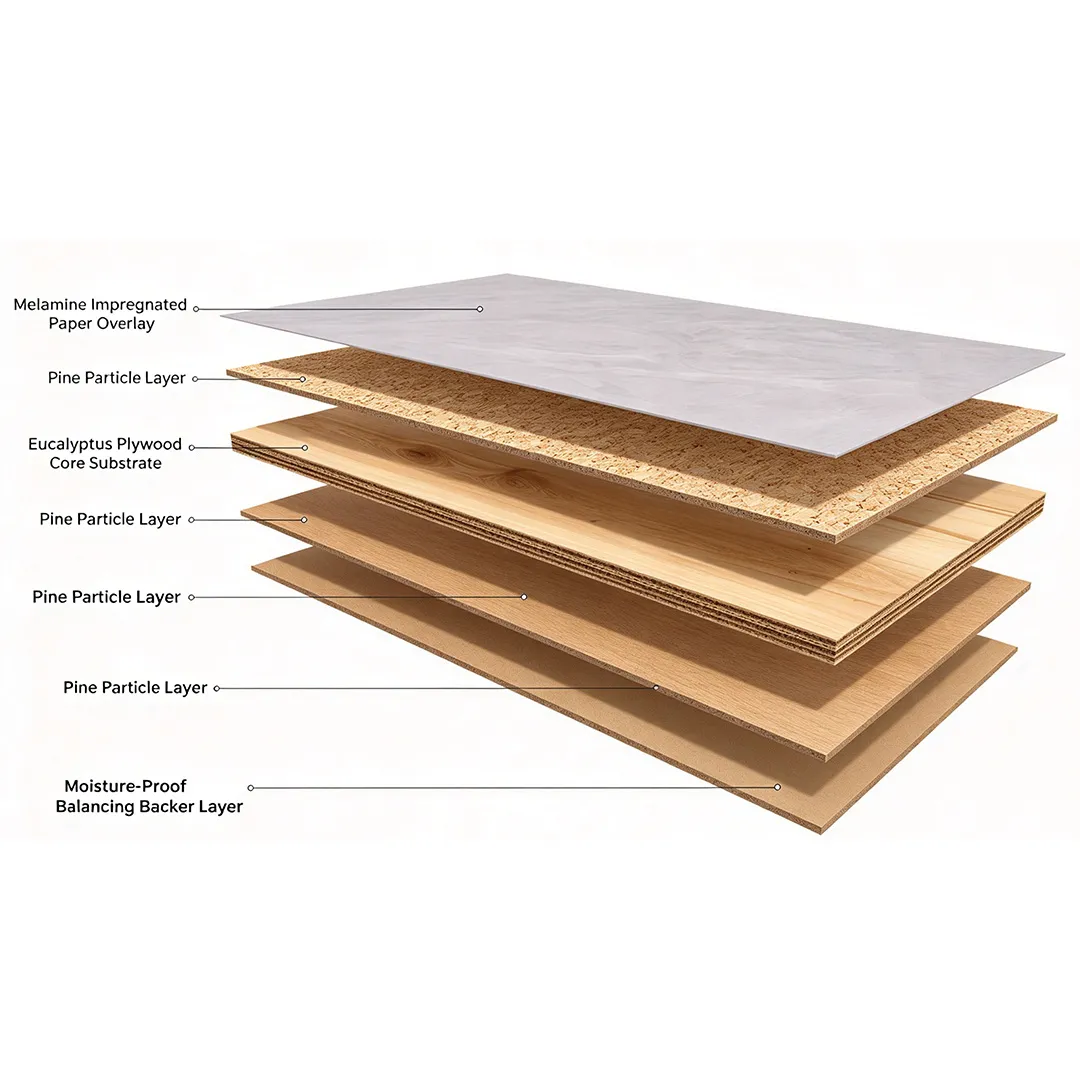
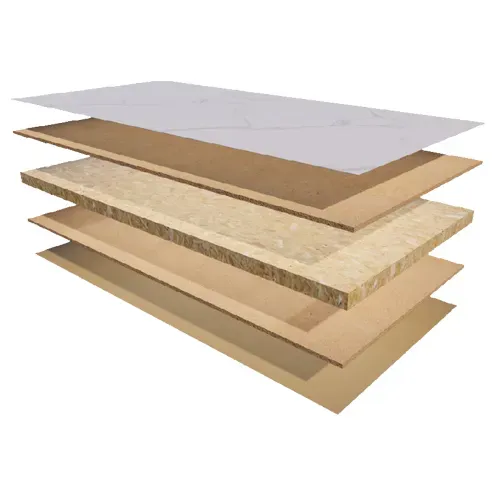
Oriented strand board is another option where structural consistency and screw-holding performance are important. Its strand-based construction differs from the fiber structure of MDF and wood-fiber boards. For furniture projects that require a robust substrate and further machining, review the available decorative wood panels for furniture and confirm the intended thickness and processing method before production.
Match Thickness and Density to the Intended Use
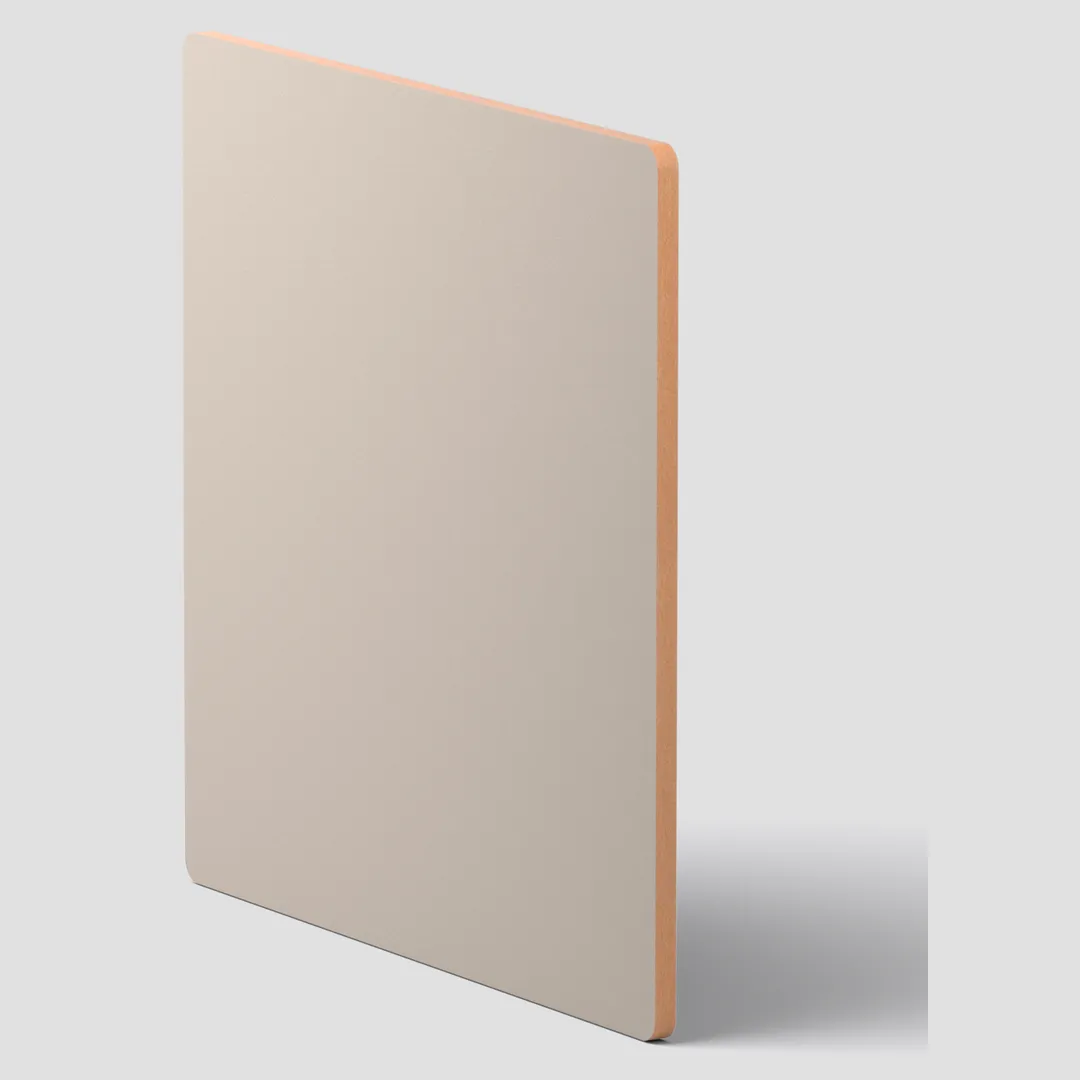
Thickness should be selected according to the panel's function, span, support arrangement, fixing method, and finish. A thicker board is not automatically the best solution: it may increase material cost and weight without solving an unsuitable support or joint design.
Density also matters. It affects handling, panel weight, machining behavior, and the performance expected from the finished component. However, density should not be used as a standalone quality ranking. The correct range depends on the substrate type and application.
The following table summarizes the published specifications for two wood-based products and one inorganic board option. The MgO product is included as an alternative for projects where moisture and fire performance are key selection factors.
| Product | Published thickness | Density | Formaldehyde class | 24-hour water swelling |
|---|
| MX Wood Fiber Panel | Furniture: 5/9/12/15/18/25 mm; walls: 8/12 mm; floors: 12 mm | Walls/floors: 760–820 kg/m³; furniture: 680–720 kg/m³ | E1 | ≤13% |
| Oriented Strand Wall Panel | Furniture: 18 mm; walls: 12 mm | ≥630 kg/m³ | E0 | ≤13% |
| MgO Board | 8/12 mm | See product grade specification | E0 or higher | See product grade specification |
Specifications are transcribed from the relevant product pages. Confirm the exact grade, size, and tolerance in the approved technical submittal before ordering.
Check Machining and Edge-Processing Requirements
A substrate must be compatible with the factory's production process. CNC cutting, drilling, grooving, chamfering, and edge-banding can affect both production efficiency and finished quality.
For example, the MX Wood Fiber Panel page describes component processing and CNC processing, while noting that curved profiles require back-side grooving. The OSB product information highlights machining capability and screw-holding performance, with different thicknesses specified for furniture and wall applications.
Manufacturers should verify the following before mass production:
Minimum edge distance for screws and connectors
Whether grooves or rebates are permitted
Suitable cutting tools and feed settings
Edge-banding or decorative wrapping compatibility
Whether curved or shaped components need additional preparation
A small prototype run can reveal machining or finishing issues before they affect an entire production batch.
Consider Decorative Finishes and Surface Compatibility
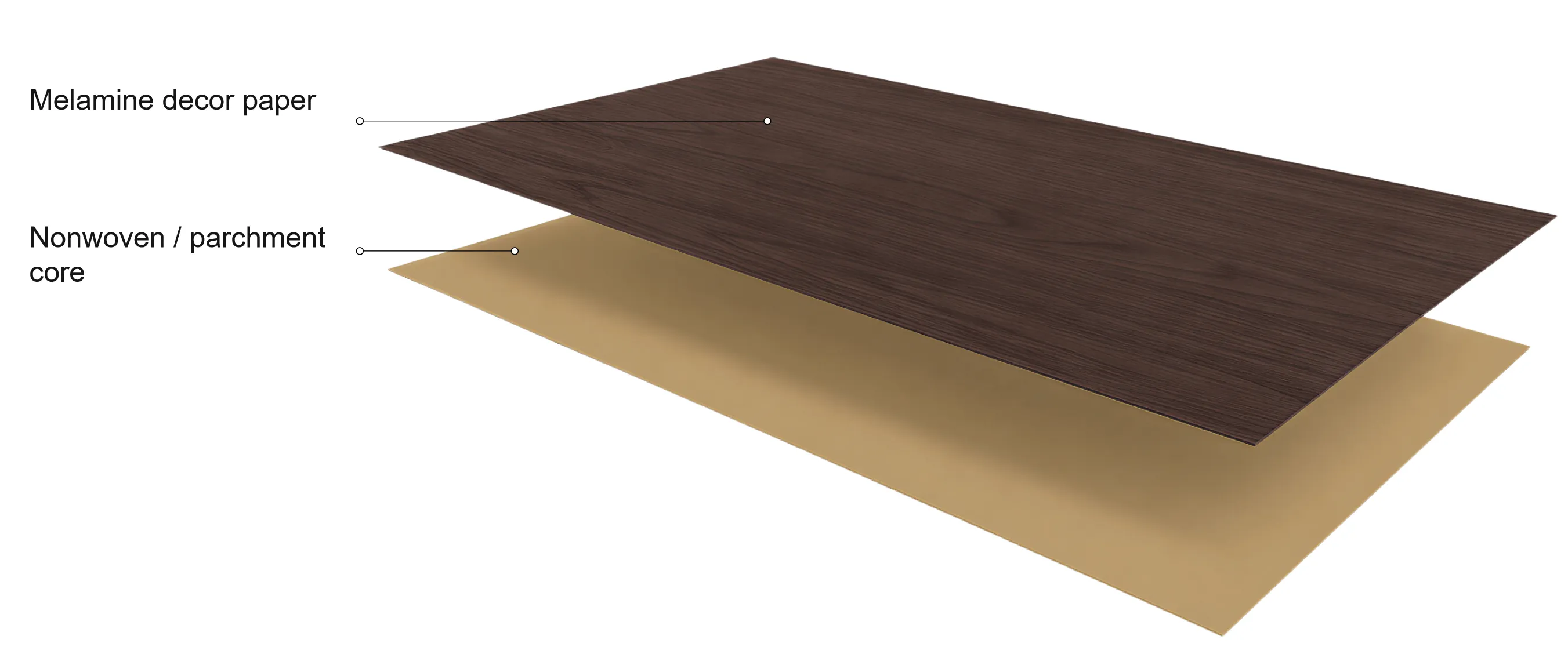
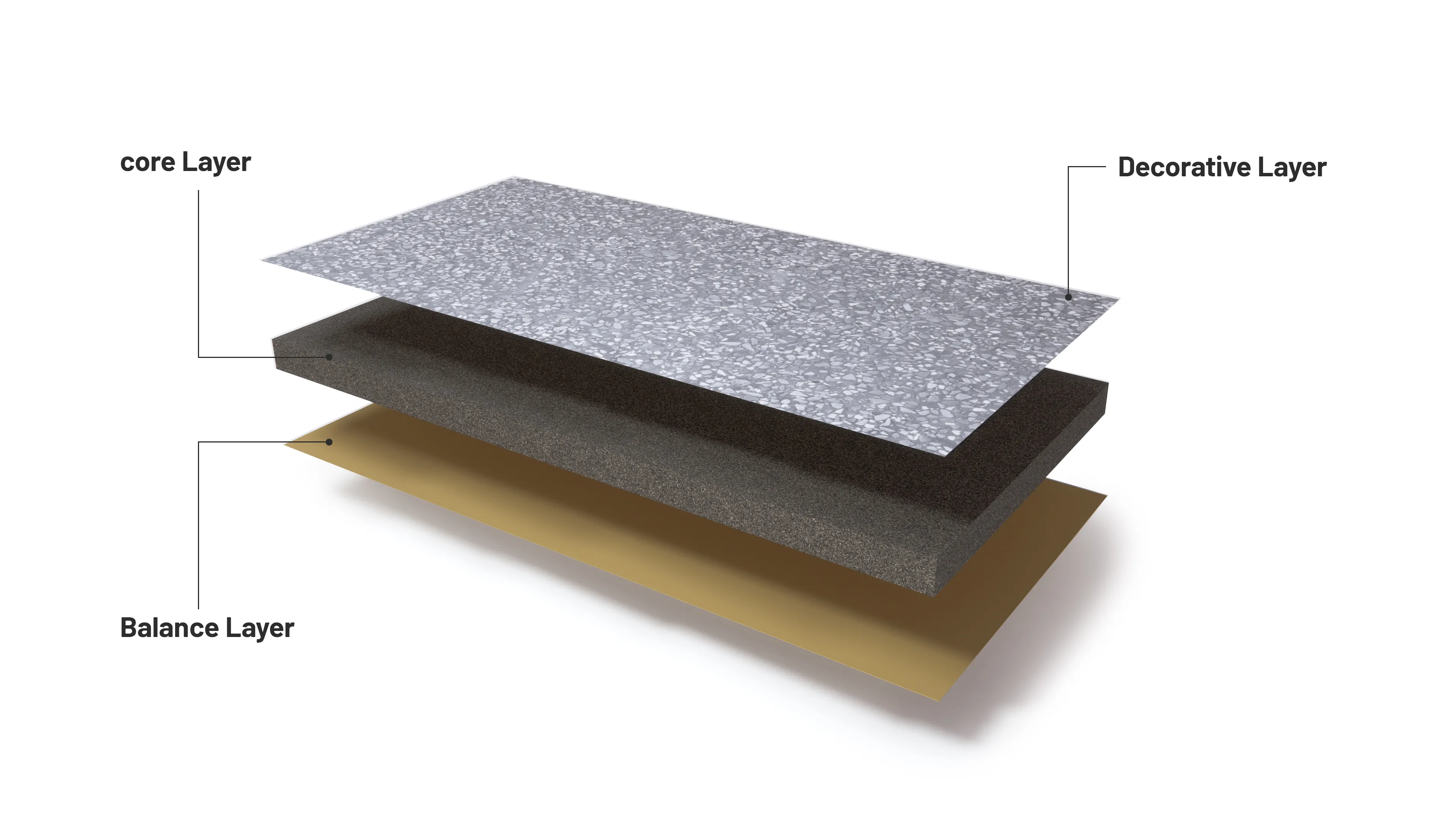
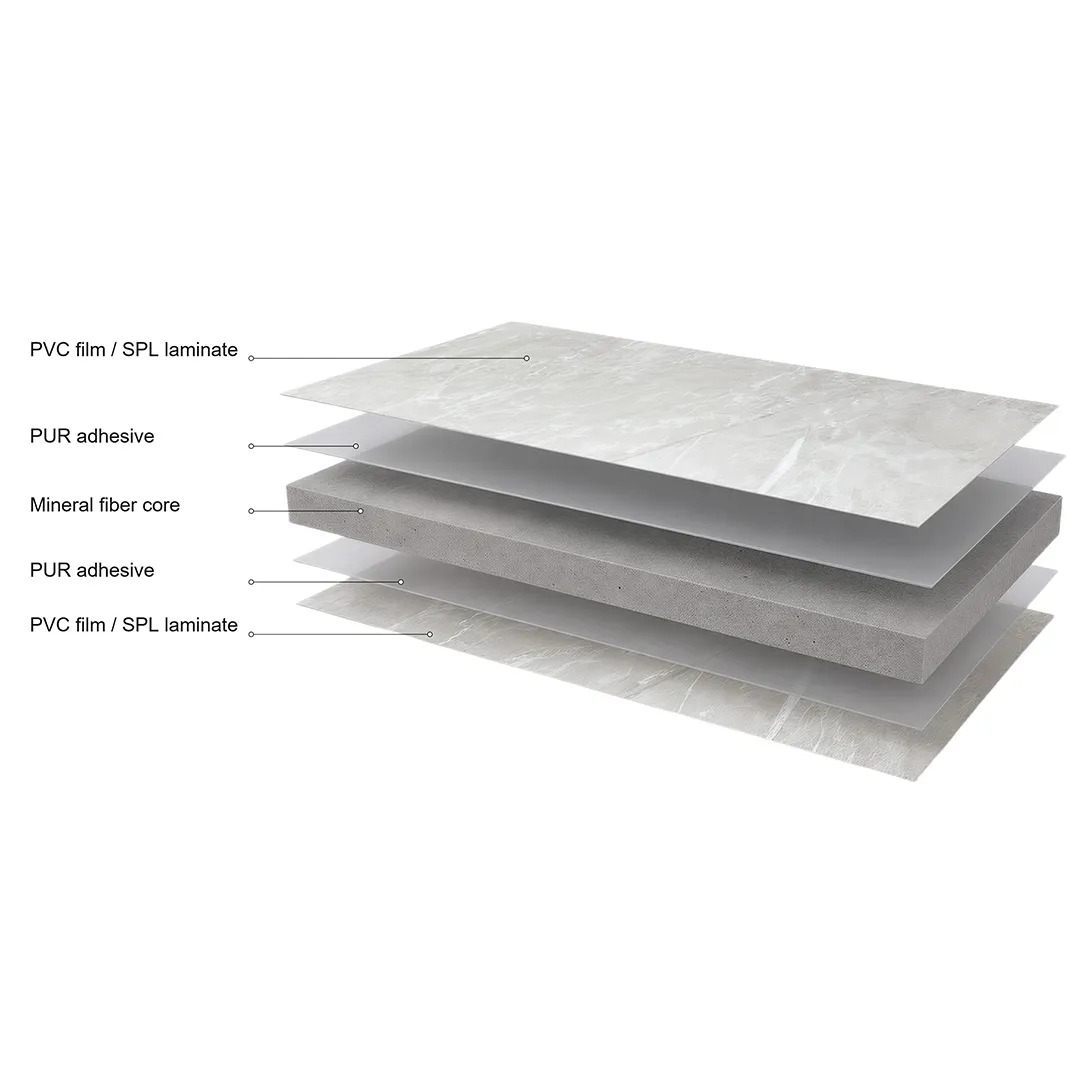
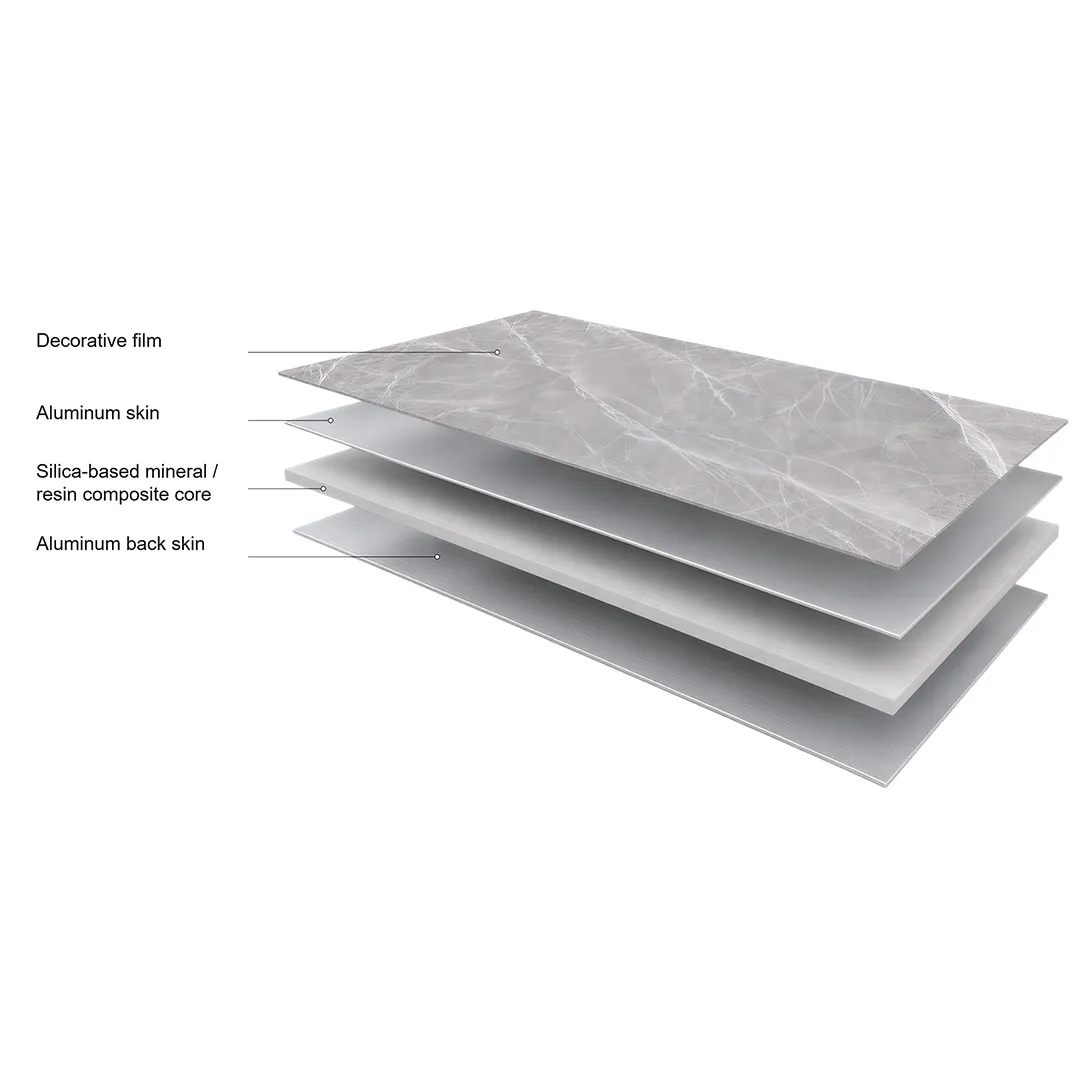
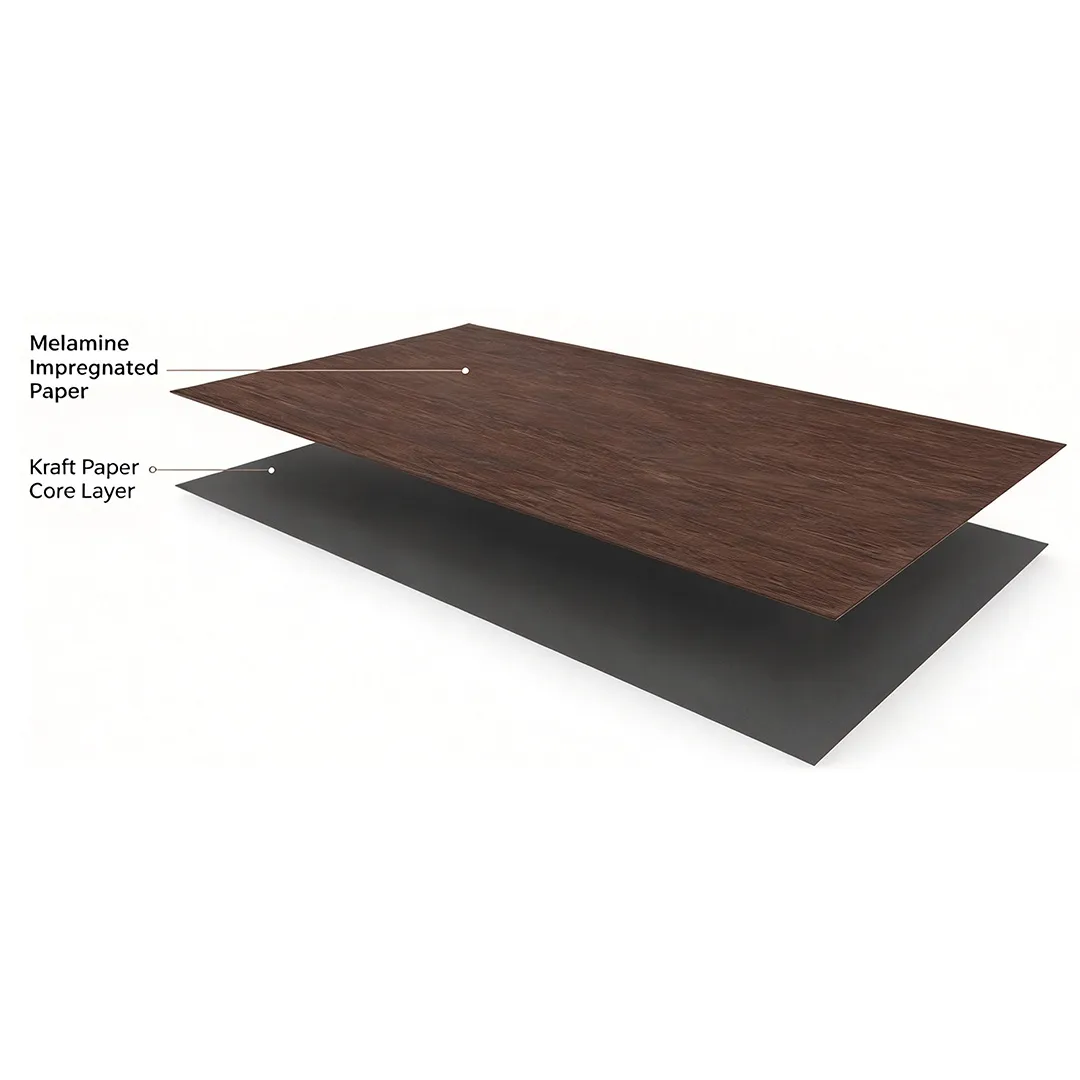
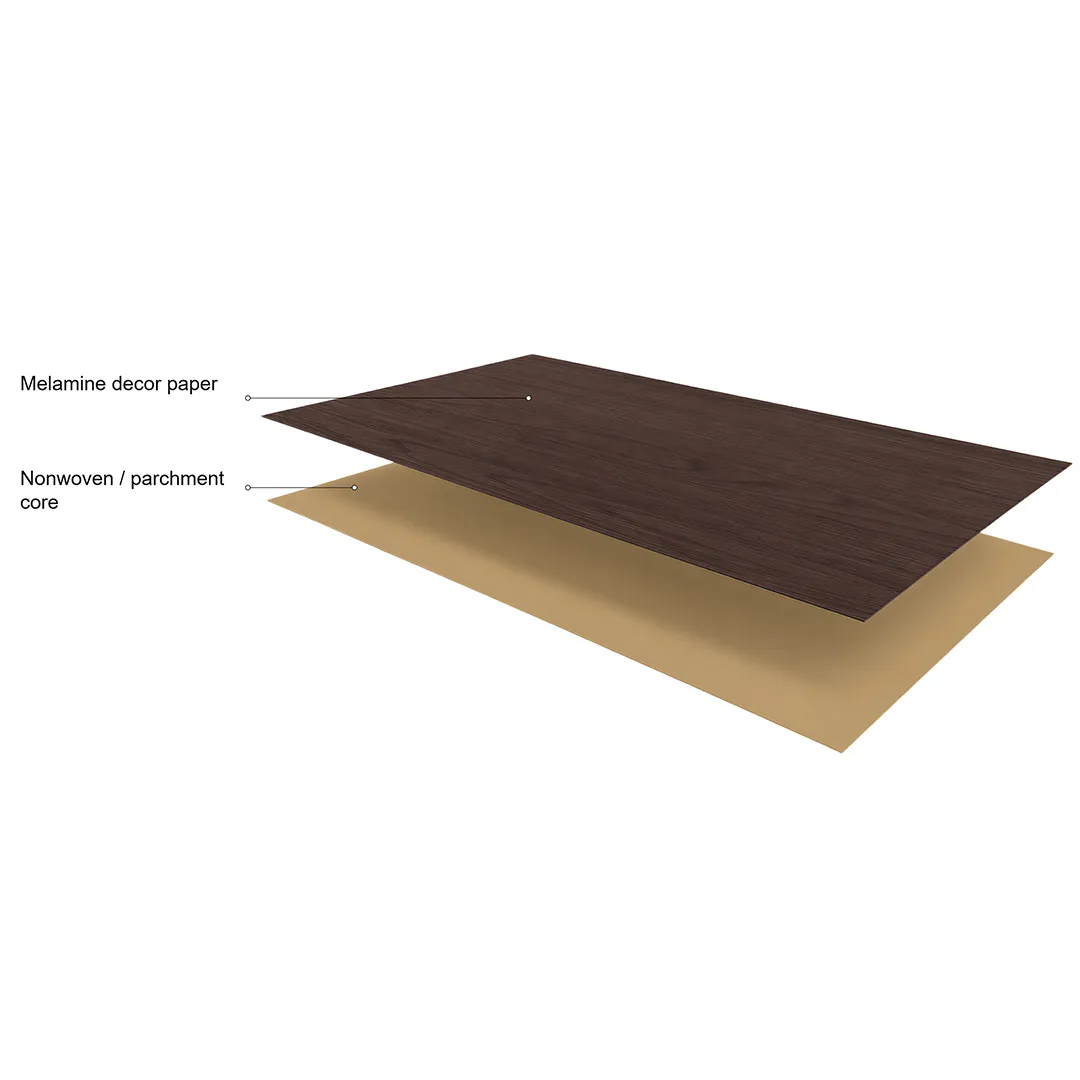
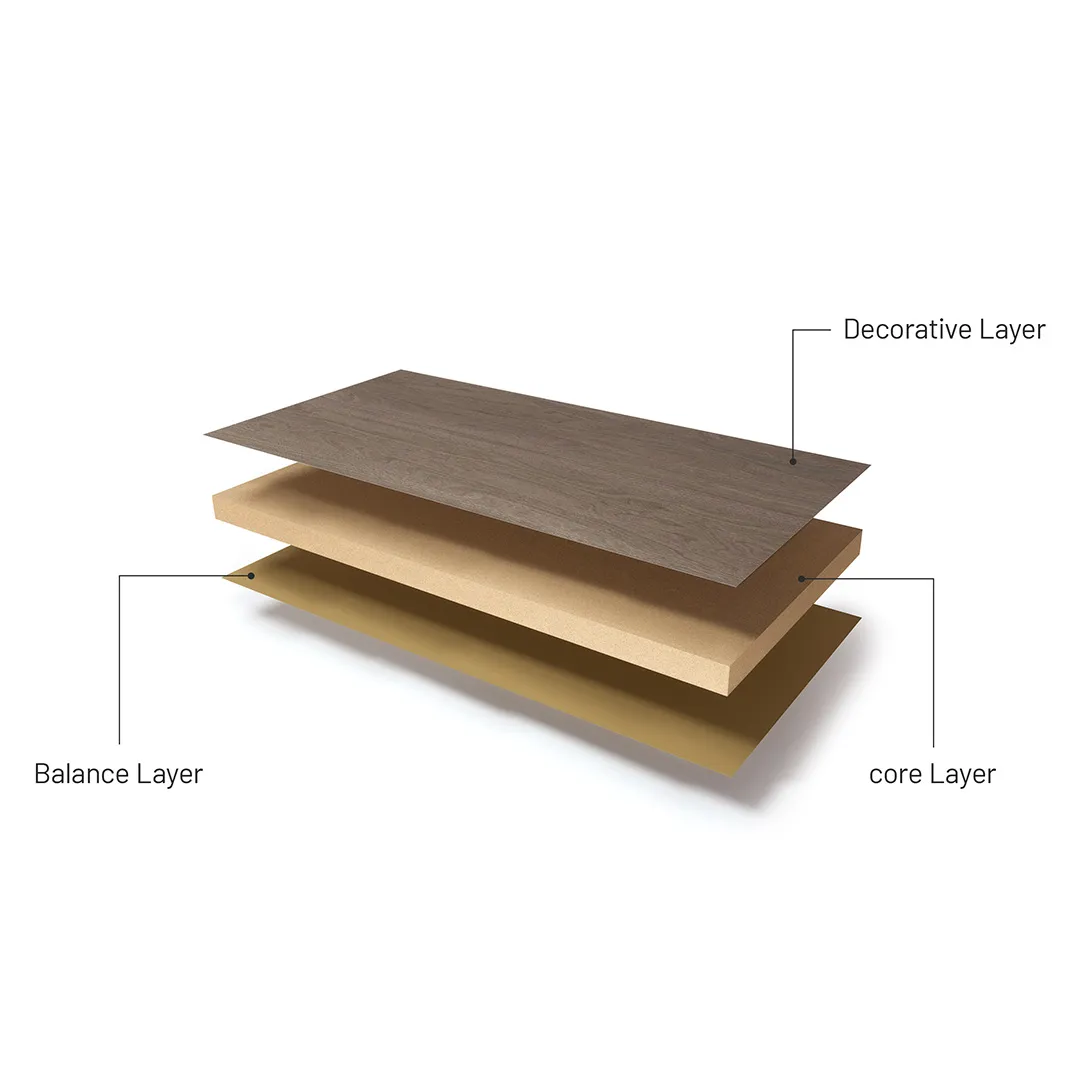
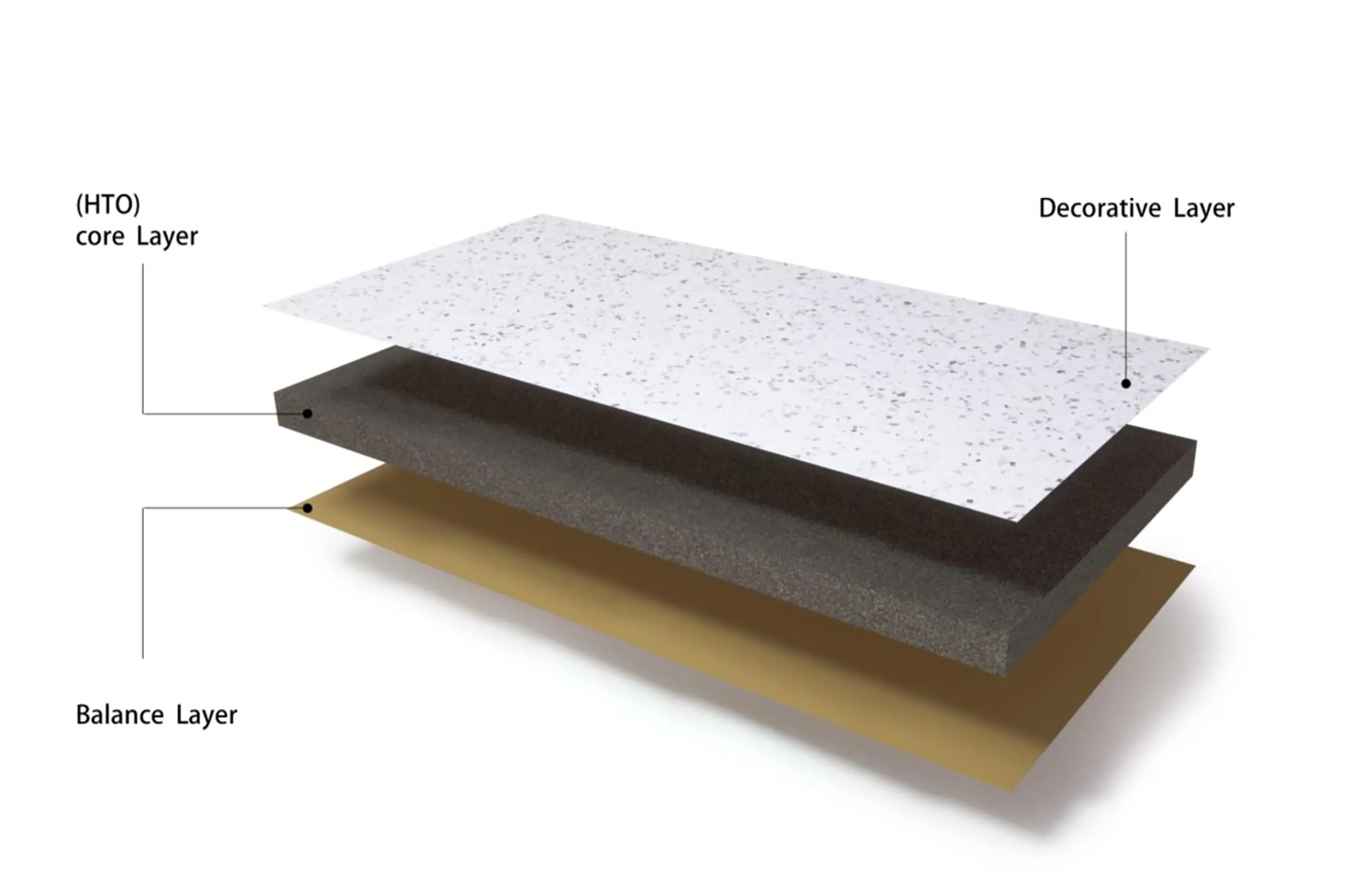
The substrate is only one part of the finished panel. The selected decorative layer influences appearance, cleaning requirements, scratch resistance, and the production process.
The MX Wood Fiber Panel product page lists direct lamination options such as SA finish, wood veneer, and aluminum skin; wrapping options including PVC, PP, and fabric; and PET flat lamination. The OSB page states compatibility with the manufacturer's range of finishes.
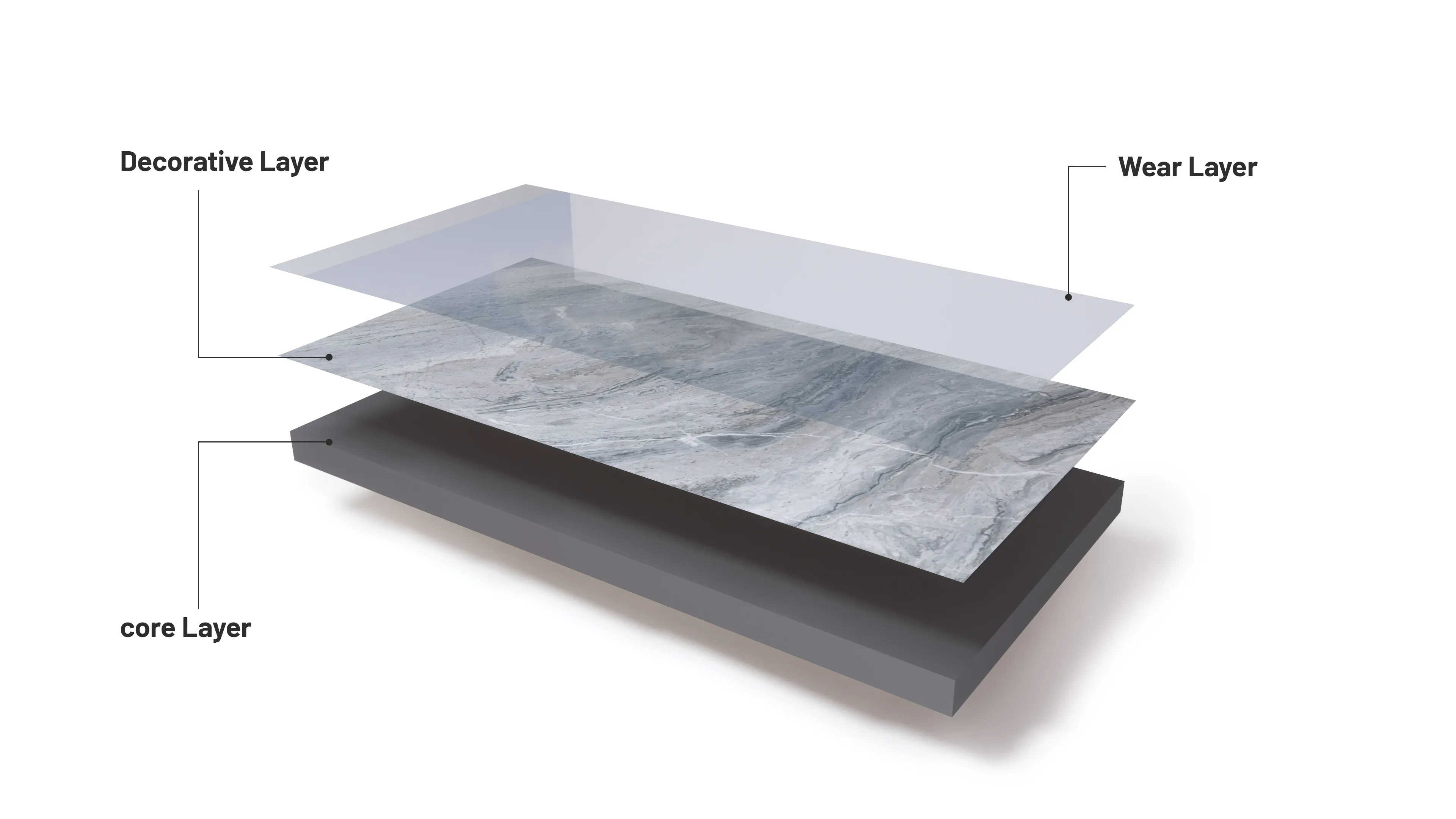
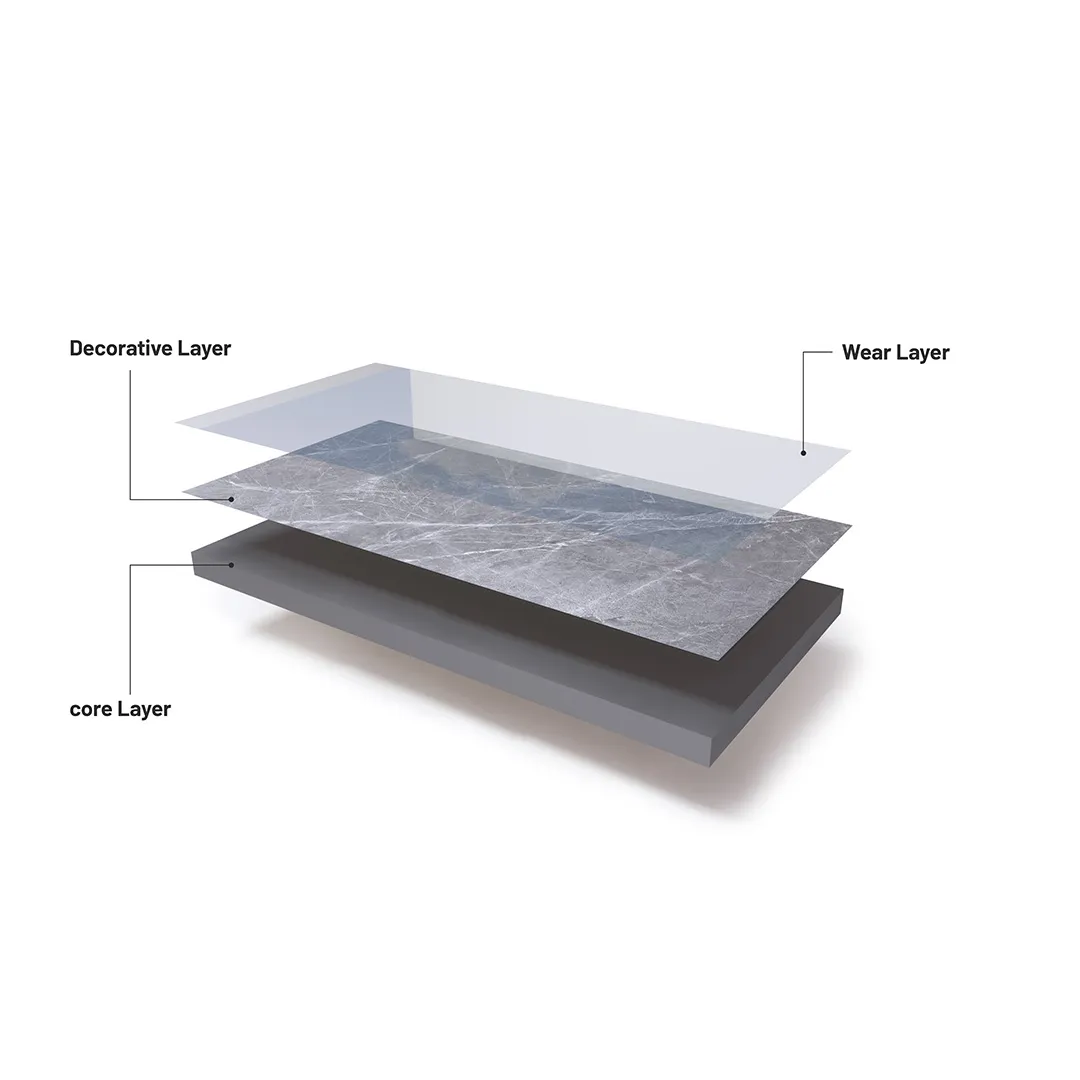
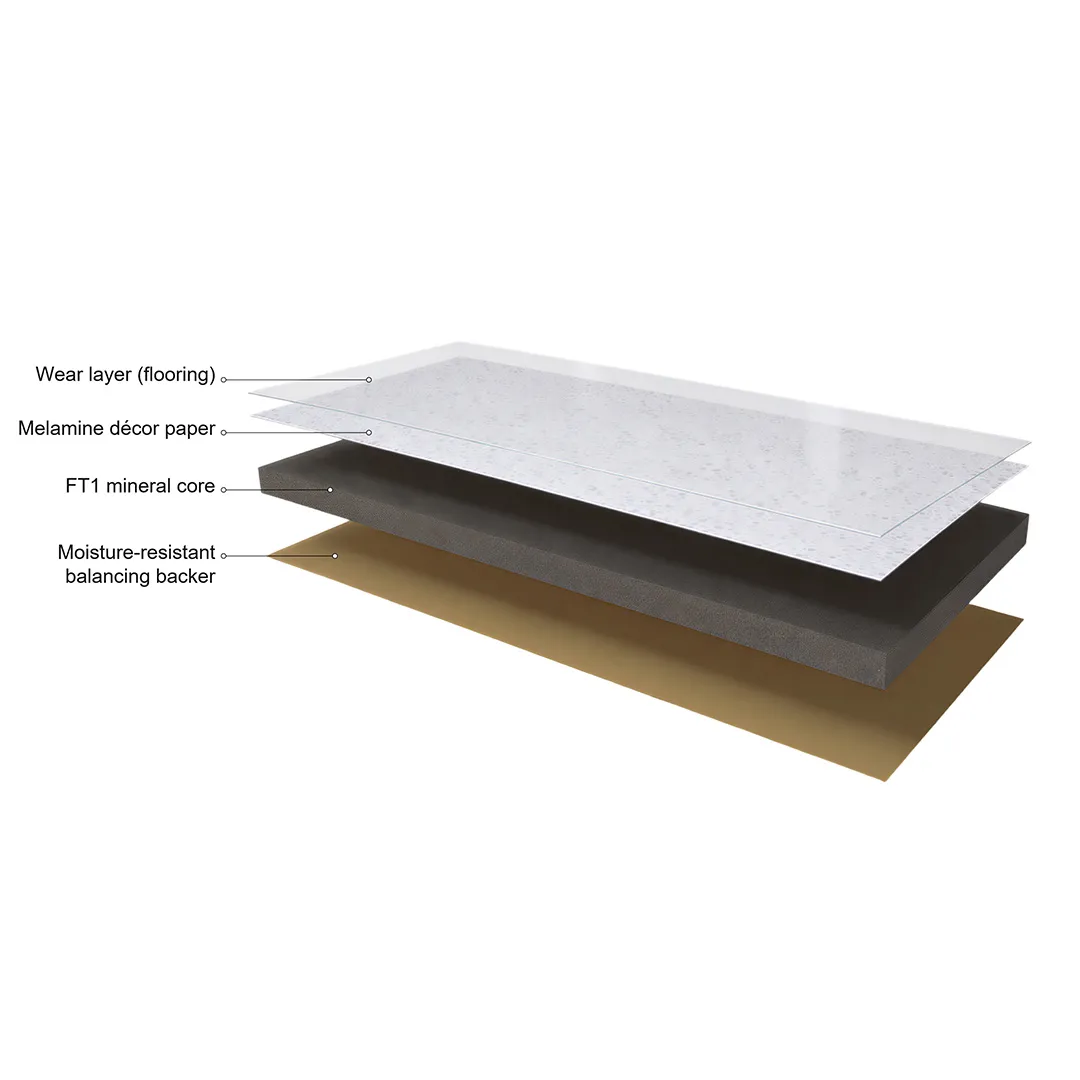
For flooring-related specifications, buyers should also check wear-layer construction, joint details, and installation instructions. Where the design calls for underfloor panels, verify that the selected MgO grade is approved for the actual flooring assembly and the expected loading conditions. Do not assume that every board grade is suitable for every floor build-up.
Evaluate Moisture, Emissions, and Service-Life Requirements
Moisture exposure can cause swelling, dimensional changes, or finish damage if the substrate and edge details are not suitable for the environment. A published 24-hour swelling value is useful for comparison, but it is not a guarantee of waterproof performance in service. Installation details, sealing, exposure duration, and maintenance practices remain important.
Formaldehyde classifications should also be checked against the project's applicable regulations and procurement requirements. The product pages list E1 for MX Wood Fiber Panel and E0 for the Oriented Strand Wall Panel. Buyers should request current supporting documentation when a project requires a particular emissions standard.
The MX Wood Fiber Panel page describes a service life of up to two years. This should be treated as the manufacturer's stated application positioning, not as a universal service-life guarantee for every installation.
Build a Clear Procurement Specification
A useful purchase specification should identify the substrate, grade, thickness, maximum sheet size, density range where applicable, emissions class, moisture-related performance, decorative finish, edge treatment, and intended application.
It should also identify the documents required before production: technical data sheets, sample approval, finish references, test reports, and any project-specific compliance documents. Where a product page contains multiple grades or different values in its introduction and specification table, obtain written confirmation of the exact grade being quoted.
A clear specification reduces substitutions, improves communication between the buyer and manufacturer, and makes it easier to compare quotations on an equivalent basis.
Frequently Asked Questions
1. Is MDF the same as a wood-fiber panel?
Not necessarily. MDF is a type of fiber-based wood panel, but product naming and construction details vary by manufacturer. Always compare the stated core structure and technical specifications rather than relying on the name alone.
2. Which panel thickness is suitable for commercial furniture?
The correct thickness depends on the component, span, support structure, hardware, and loading conditions. The MX Wood Fiber Panel range lists furniture thicknesses from 5 mm to 25 mm, while the OSB page specifies an 18 mm furniture option. Confirm the design with the fabricator.
3. Does a lower water-swelling value mean a board is waterproof?
No. A water absorption swelling test measures a defined laboratory condition. It does not establish that an untreated board can withstand continuous water exposure or immersion.
4. Can wood-based panels be used with different decorative finishes?
Yes, when the substrate and finishing process are compatible. The MX Wood Fiber Panel page lists SA, veneer, aluminum skin, PVC, PP, fabric, and PET options. Confirm bonding and processing requirements for the selected finish.
5. What documents should buyers request before placing a bulk order?
Request the current technical data sheet, grade confirmation, sample approval, relevant test reports, emissions documentation, and written confirmation of dimensions and finish compatibility.