_MS-SA_Energy-Gathering_Panel1_20260901165339.webp "MS-SA Energy-Gathering Panel")




May 14, 2026

What are you looking for?
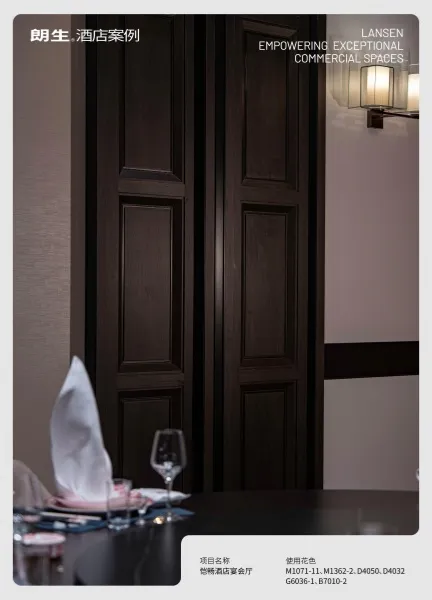
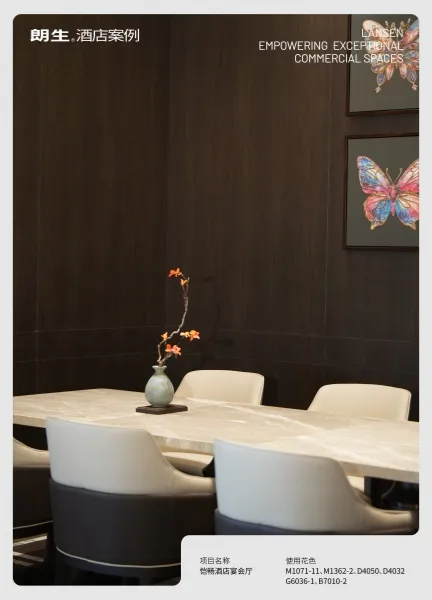
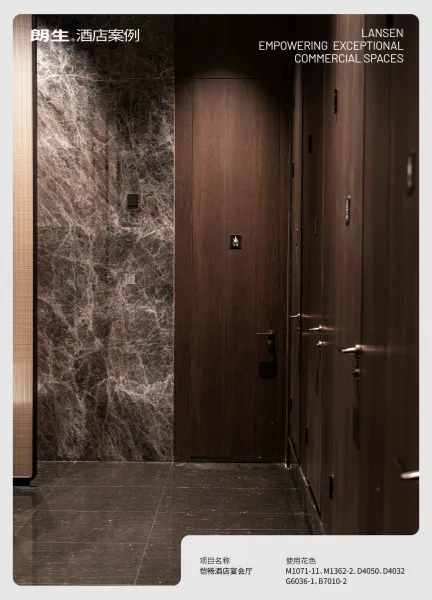
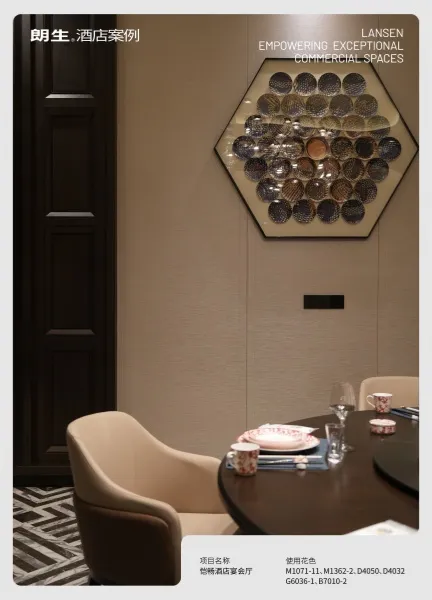
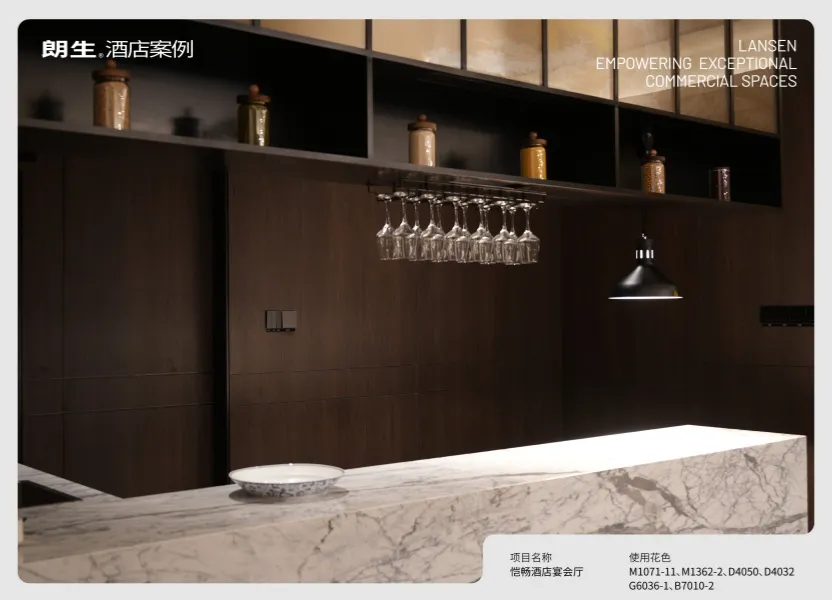
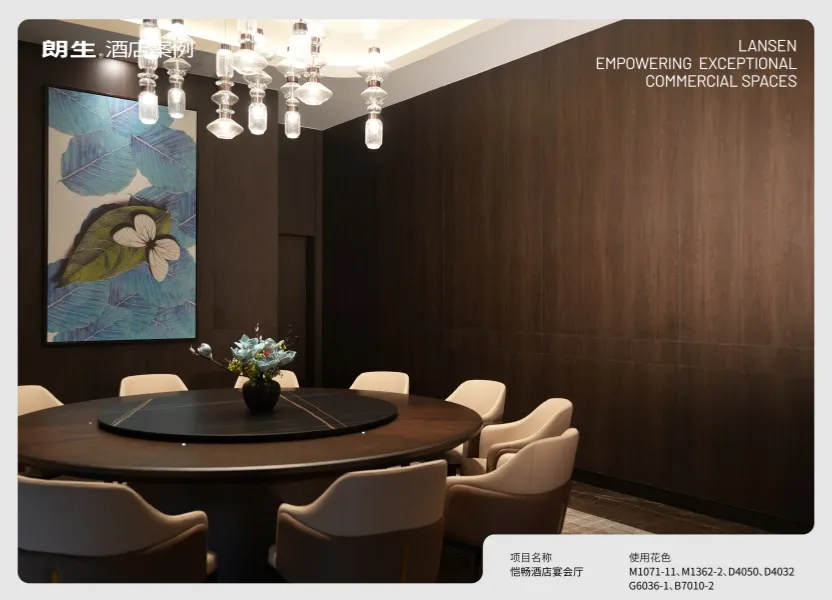
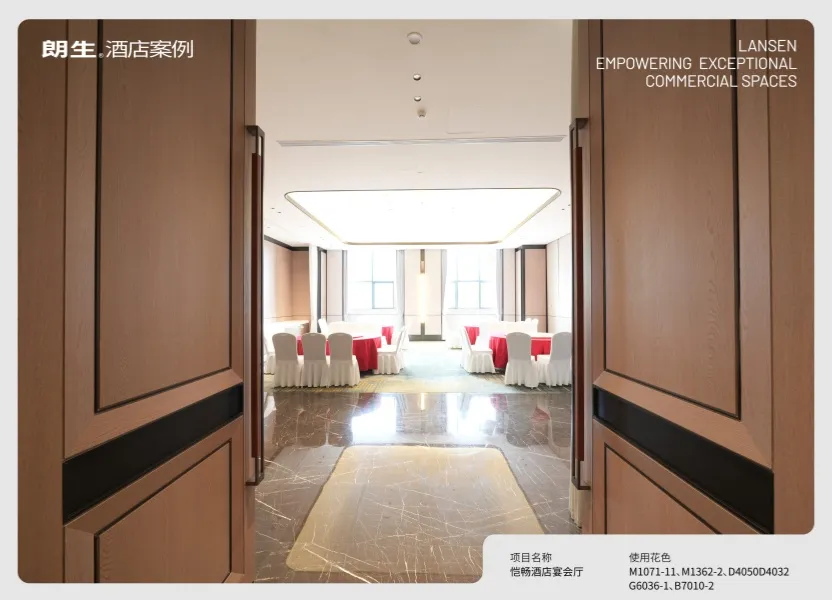
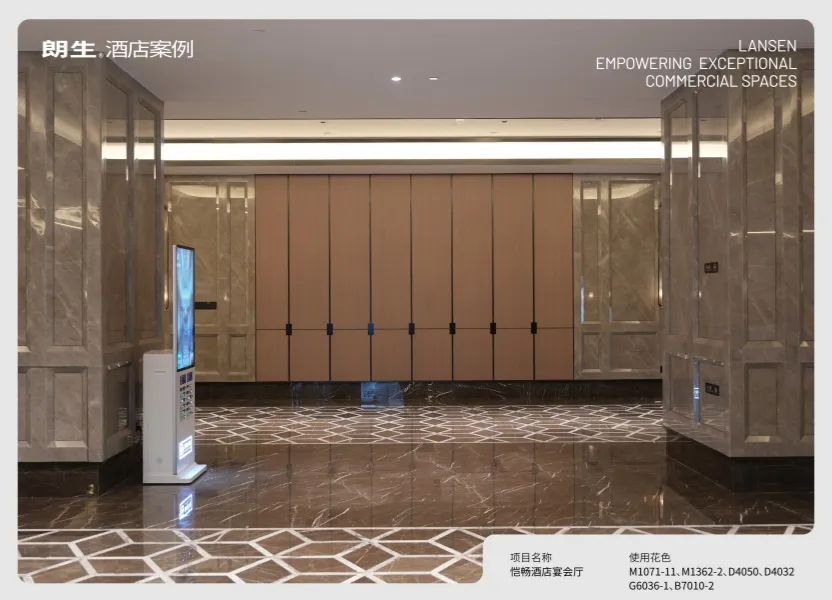
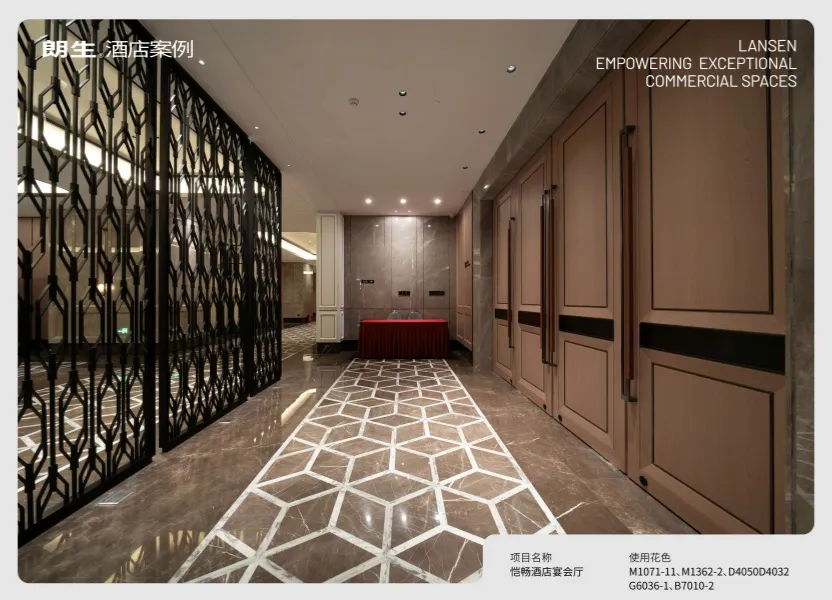
Project Name: Kai Chang Hotel
Location: Ordos City, China
Project Type: Hospitality / Hotel Space
Project Area: 5000㎡
Product Series: LANSEN Decorative Panels ML Series - ML1
Applied Pattern: Dark brown walnut wood grain M1362-2/Warm tone with varied grain depth M1071-11
Application Category: Wall Panels, Doors, Cabinets
Kai Chang Hotel is a hotel space project positioned to deliver a tranquil, elegant, and enveloping contemporary living experience. The interior prioritizes atmospheric quality over material prominence, constructing visual order and spatial field sense through a unified material design language.
The color palette is anchored by rich dark brown walnut wood tones complemented by light warm-brown vertical linear wood grain. The warmth of wood engages in material dialogue and tonal contrast with cool stone, soft textiles, and locally applied deep red accent walls. The composition is restrained and composed, emphasizing relationships between materials rather than individual expression, resulting in a quiet yet tension-balanced hospitality ambiance.
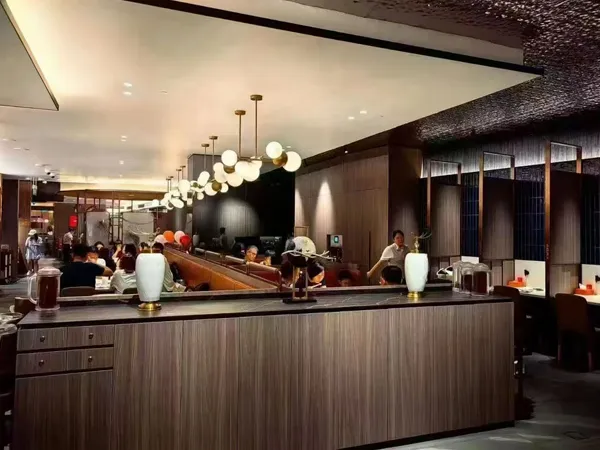
LANSEN products are applied in hotel public corridors, guest room walls, and full-height cabinetry. Dark walnut wood-grain doors and wall panels serve as warm backgrounds for furnishings and artwork, while light brown vertical-grain surfaces clad full walls or tall cabinets, generating quiet light-and-shadow rhythm under lighting. This grants the space stable warmth and a sense of depth and rhythm, achieving integrated visual and functional unity across walls, doors, and cabinets.
The project adopts LANSEN integrated interior panel system for walls, doors, and cabinets. Surface finishes include a dark brown walnut wood-grain pattern with舒展 fine texture and a light brown warm-tone vertical linear wood-grain pattern with interlaced grain depth. Dark walnut panels are used on doors and partial wall planes as compositional background, while light brown vertical-grain panels are installed as full-height wall cladding or cabinet fronts, where fine linear texture interacts with ambient light to present layered shadows. Together they form a unified color and texture vocabulary across the hotel, delivering coherent visual order, serene tactile quality, and systematic decorative effect.