Commercial Wall Cladding Cost vs. Durability: What Architects Need to Know
If you follow architectural and contractor discussions on platforms like Reddit, one recurring debate always pops up: "How do you balance tight project budgets with high-durability wall cladding in high-traffic commercial spaces?"
Many project managers face a frustrating dilemma: low-cost panels warp, stain, or fail safety codes within months, while ultra-premium stone or metal solutions blow the budget. For commercial interiors like hotels, corporate offices, and retail stores, choosing the right substrate requires a careful evaluation of material costs, maintenance, and structural lifespan.
This guide provides a practical comparison of LANSEN’s engineered commercial substrates, helping you optimize both cost and performance.
Quick Answer: Balancing Budget and Performance
For Cost-Sensitive, Dry Retail Spaces: Utilize Carbon-Core Density Boards (ML1/ML2) to achieve high surface stability ( ≥830kg/m³) without overspending.
For High-Moisture Hospitality Areas (Guest Rooms & Corridors): Choose WPC Solid Boards (SM1), which provide a 100% waterproof core (≤2% water absorption) and fast installation to save on labor hours.
For Premium Public Buildings & Healthcare: Invest in Carbon-Magnesium Boards (HTO - FT1/FT3) for superior density (≥1350kg/m³), minimal water expansion (≤1%), and B1/A2 fire ratings.
1. The Real Cost of Cheap Wall Panels in Commercial ProjectsWhen procurement teams choose wall materials based solely on initial square-meter pricing, hidden costs often emerge down the road:
The Maintenance Trap: Standard wood-based materials installed in areas with fluctuating humidity absorb moisture, leading to edge swelling and panel buckling.
The Callback Expense: Replacing warped panels or repairing water-damaged drywall in a revenue-generating hotel corridor far exceeds the initial material savings.
The Solution: Specifying engineered substrates with controlled physical parameters prevents premature failure and protects your project's reputation.
2. Material Breakdown: LANSEN Substrate Options for Every Budget
To give you maximum flexibility across different project tiers, LANSEN offers a comprehensive portfolio spanning wood-based, waterproof, and inorganic cores:
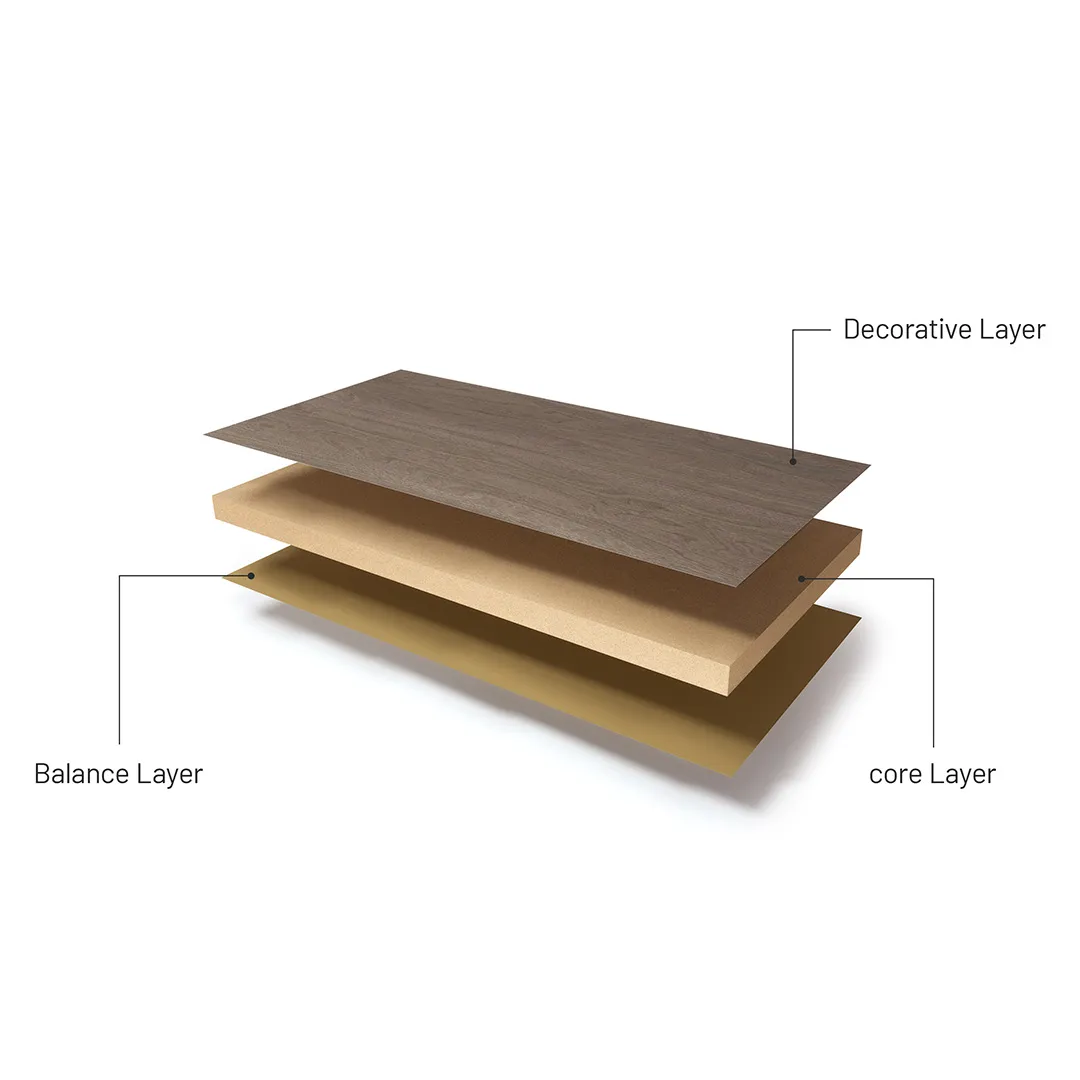
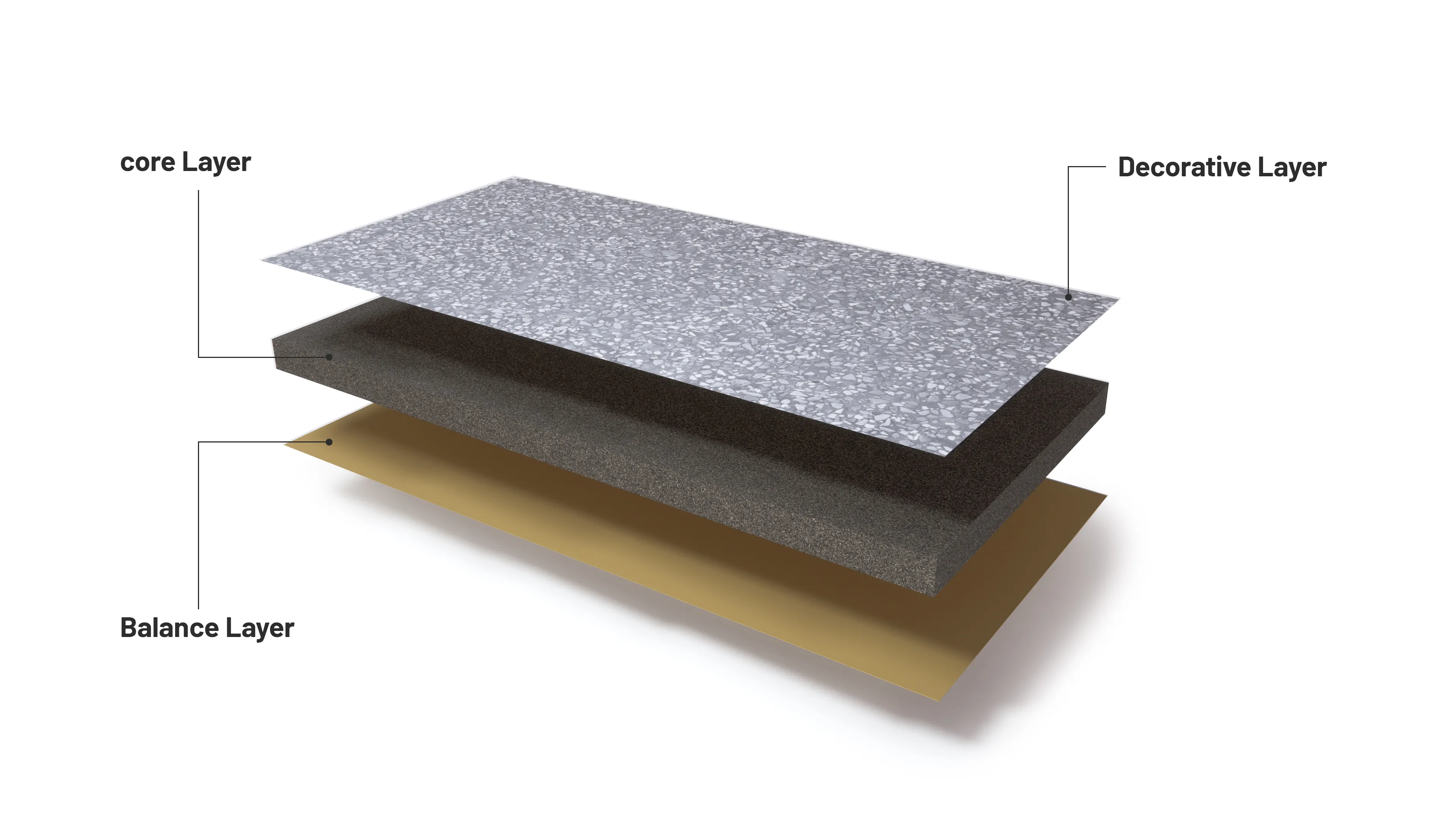
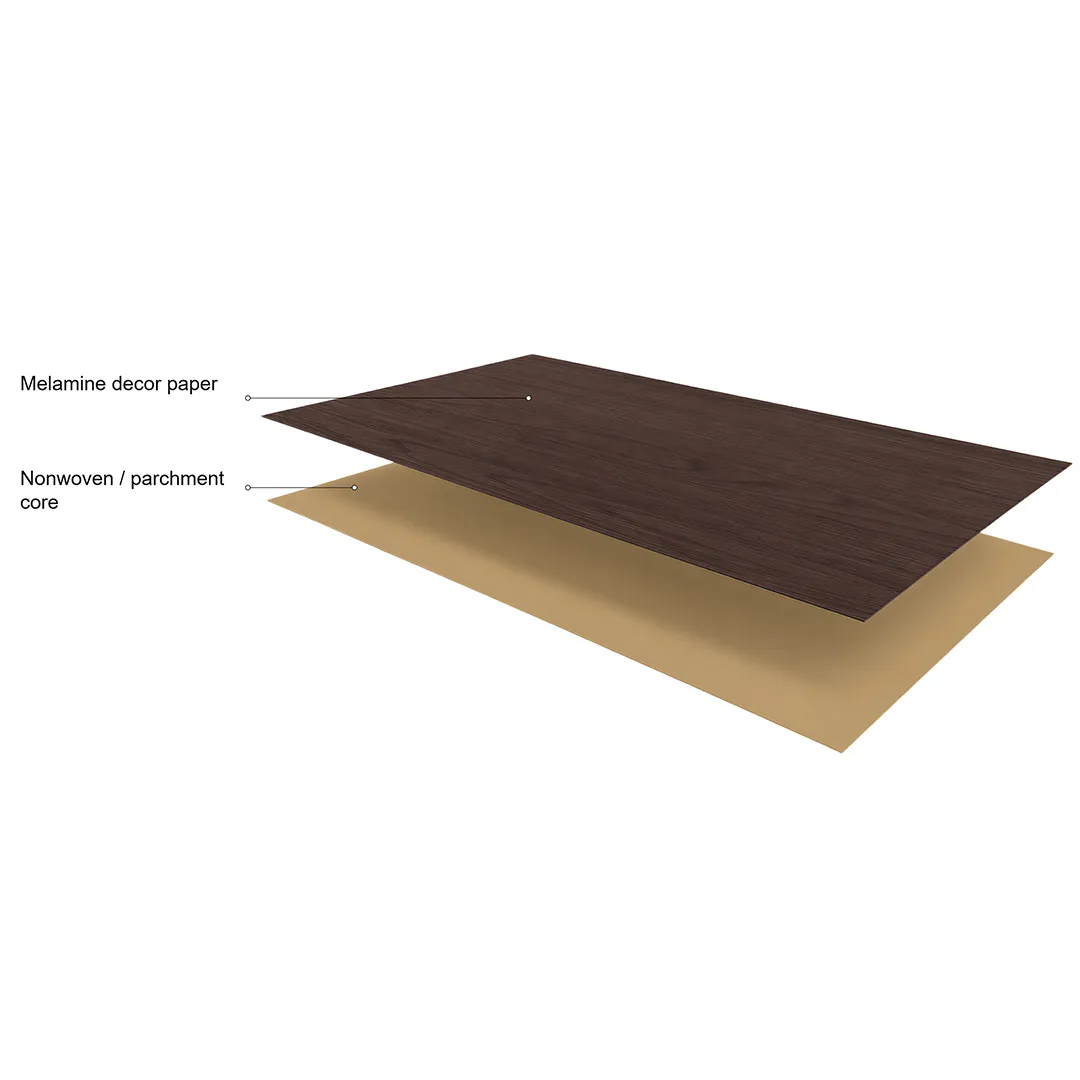
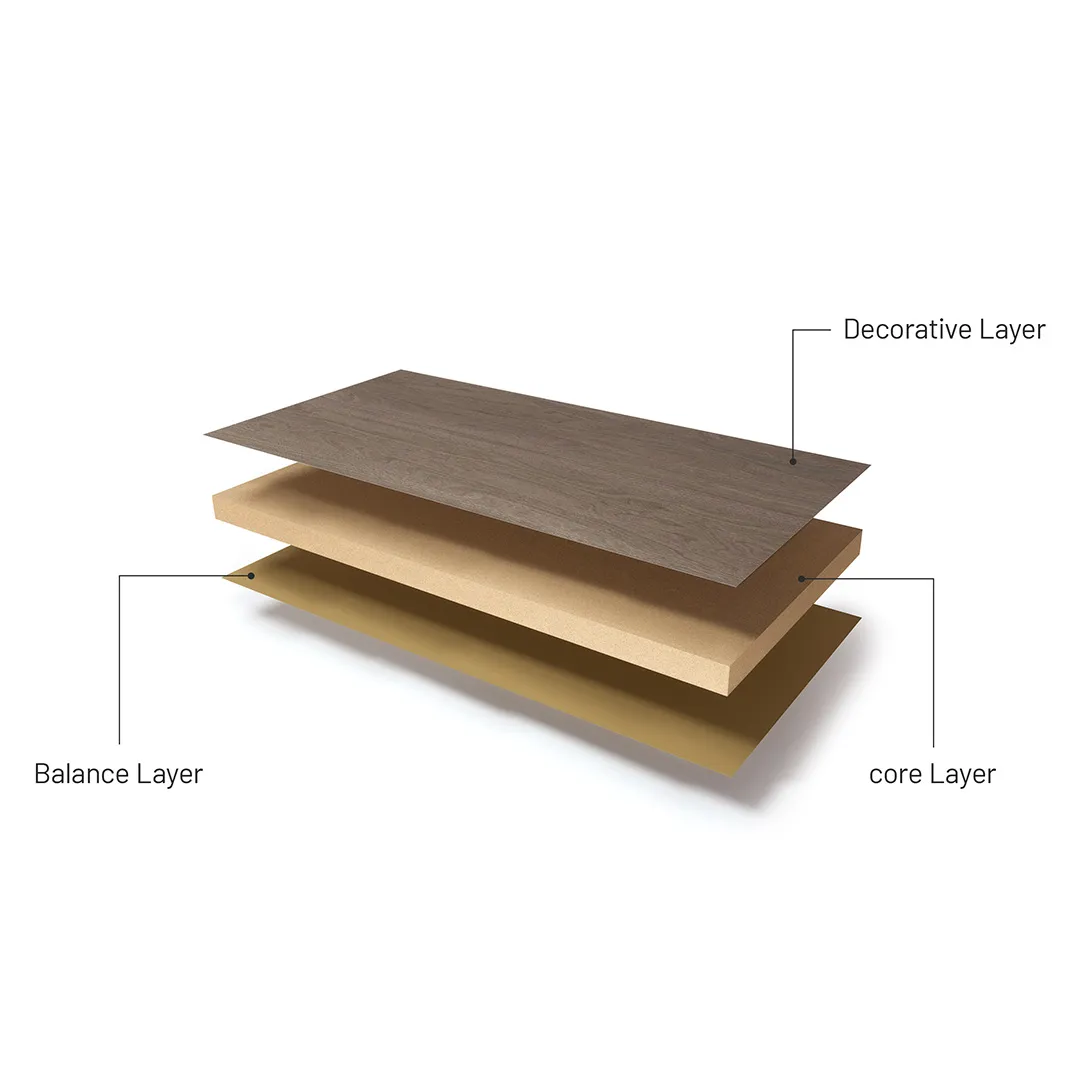
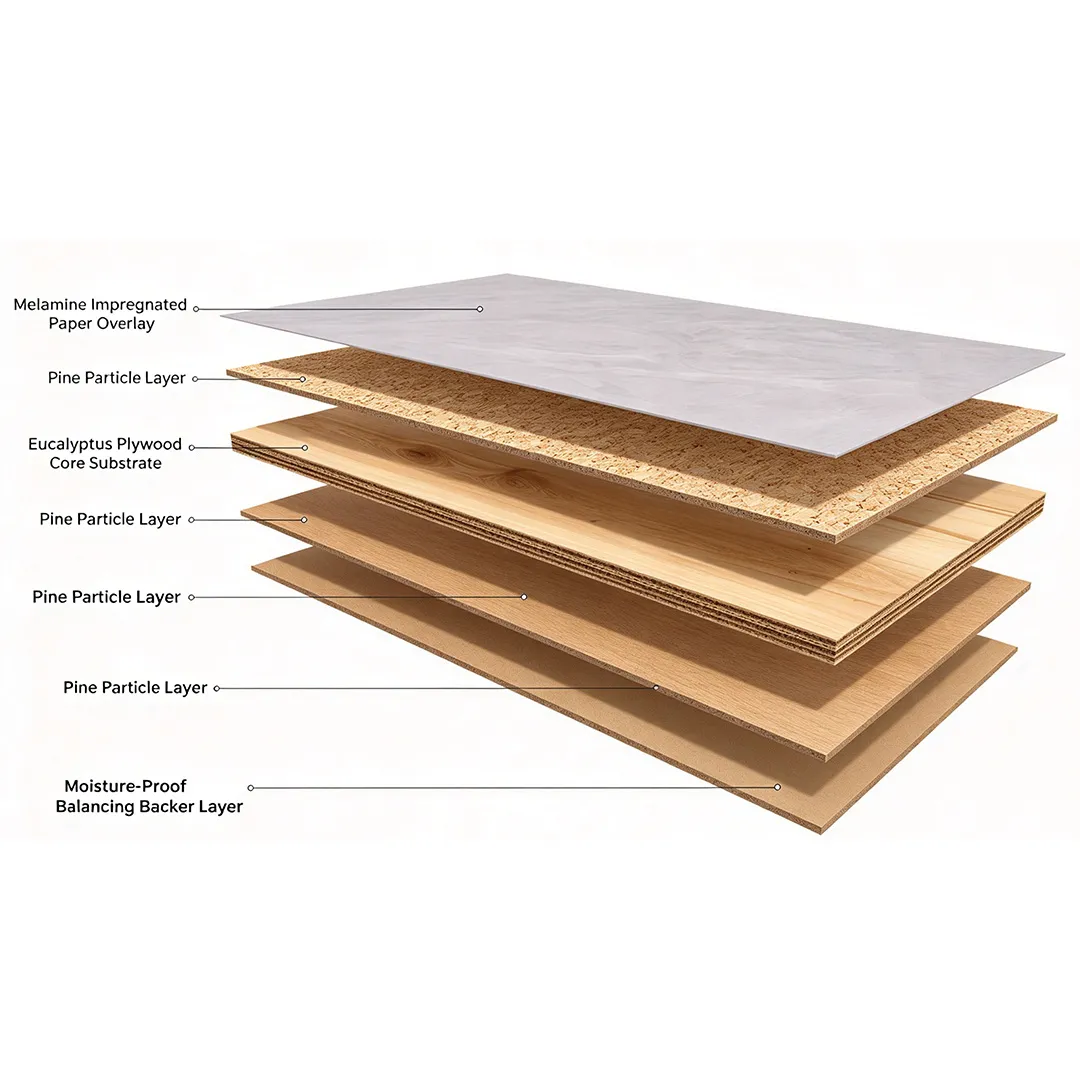
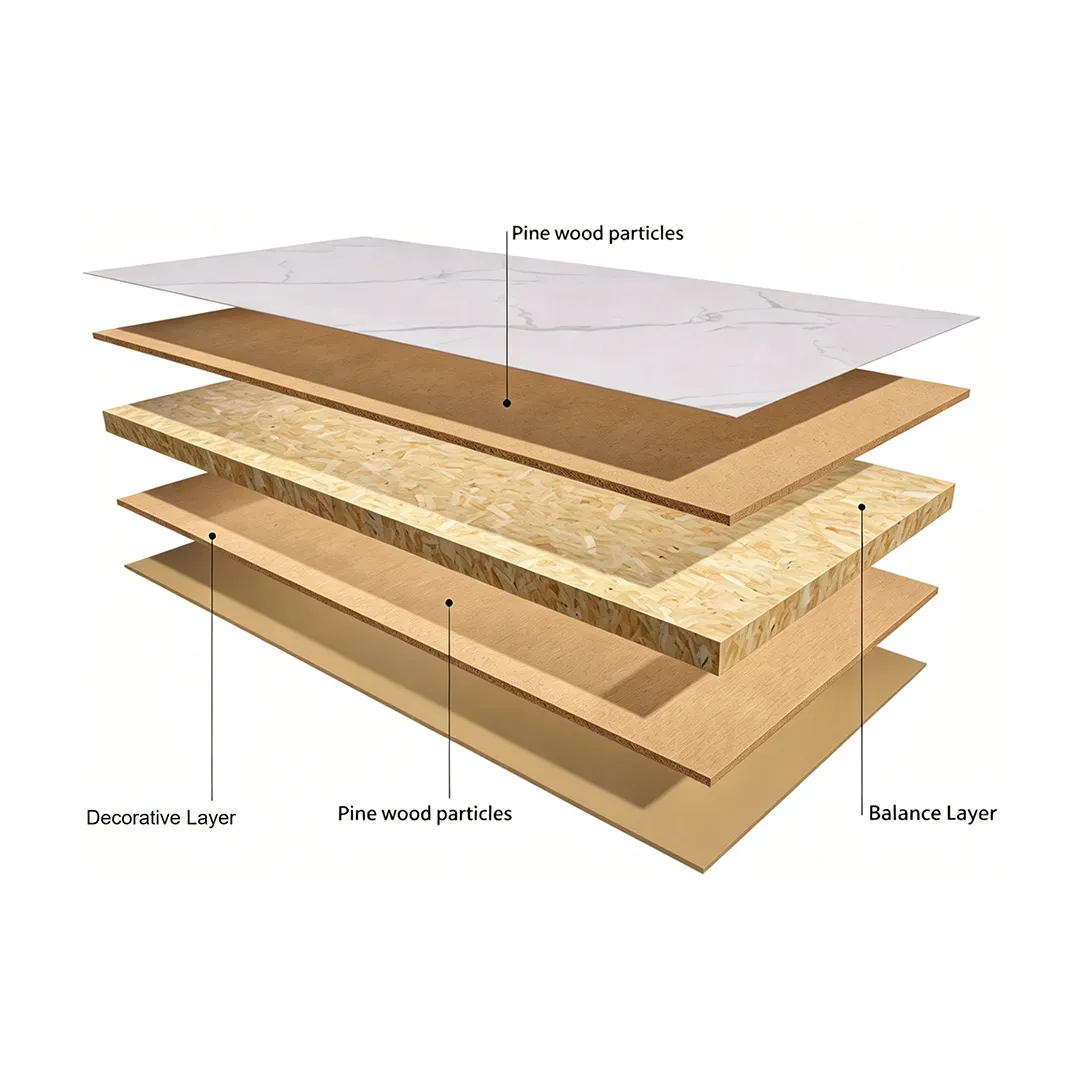
Economical Wood-Based Cores (Carbon-Core Black Density Boards - ML1/ML2):
Density: ≥830kg/m³ with a 24-hour water expansion rate controlled at $\le 8\%$ (well below the $\le 18\%$ national standard).
Fire & Eco: Standard B2 (upgraded to B1 for ML2) with ≤ E1 emission levels.
Best Use: Cost-effective retail walls, standard office partitions, and custom furniture cabinetry.
Waterproof Composite Cores (WPC Solid Boards - SM1):
Composition: Plant fiber powder, natural wheat straw, wood chips, and virgin resin.
Water Absorption: ≤2% (completely waterproof core).
Best Use: Hotel guest rooms, apartment corridors, and commercial wet-area perimeters.
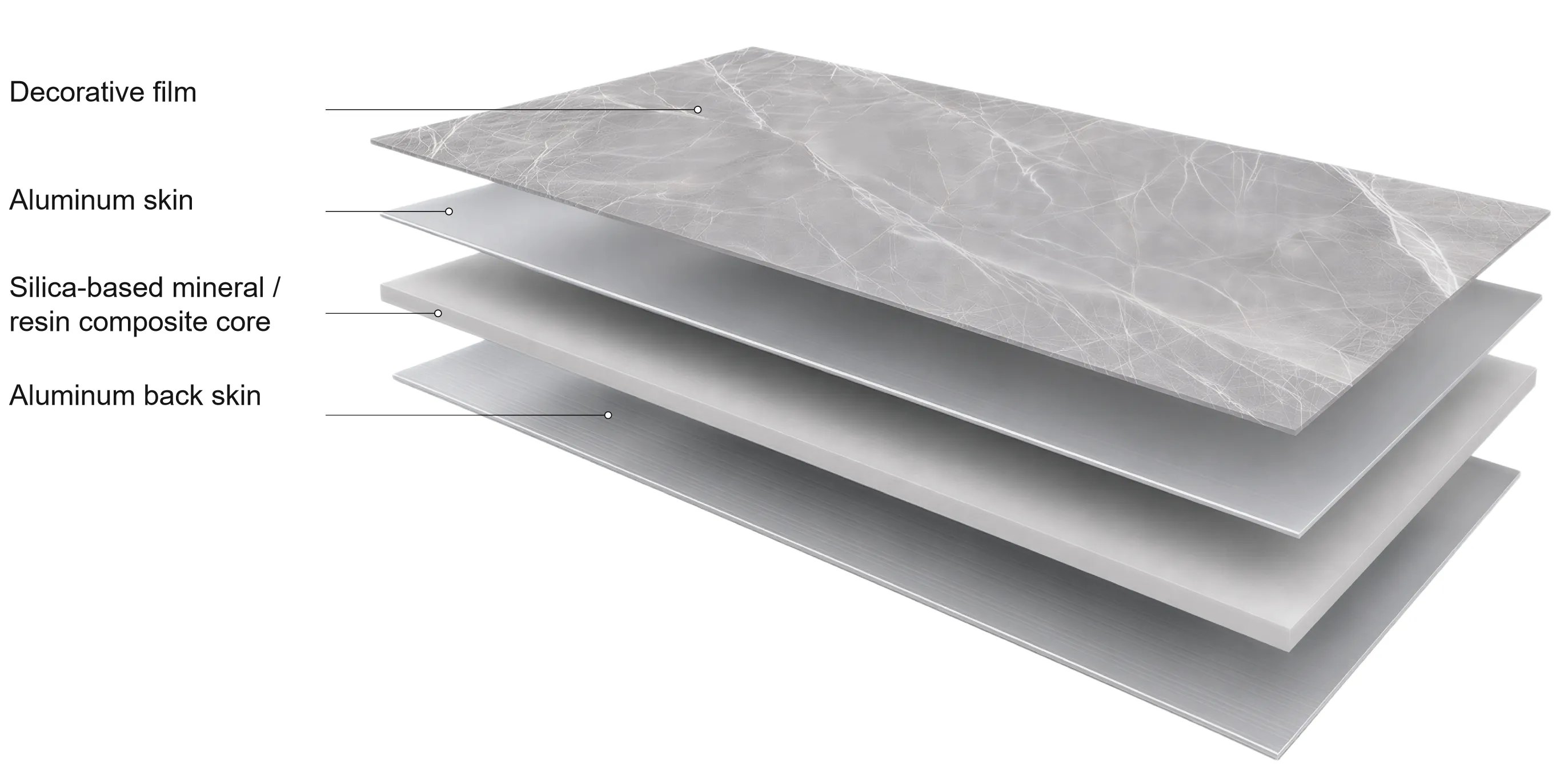
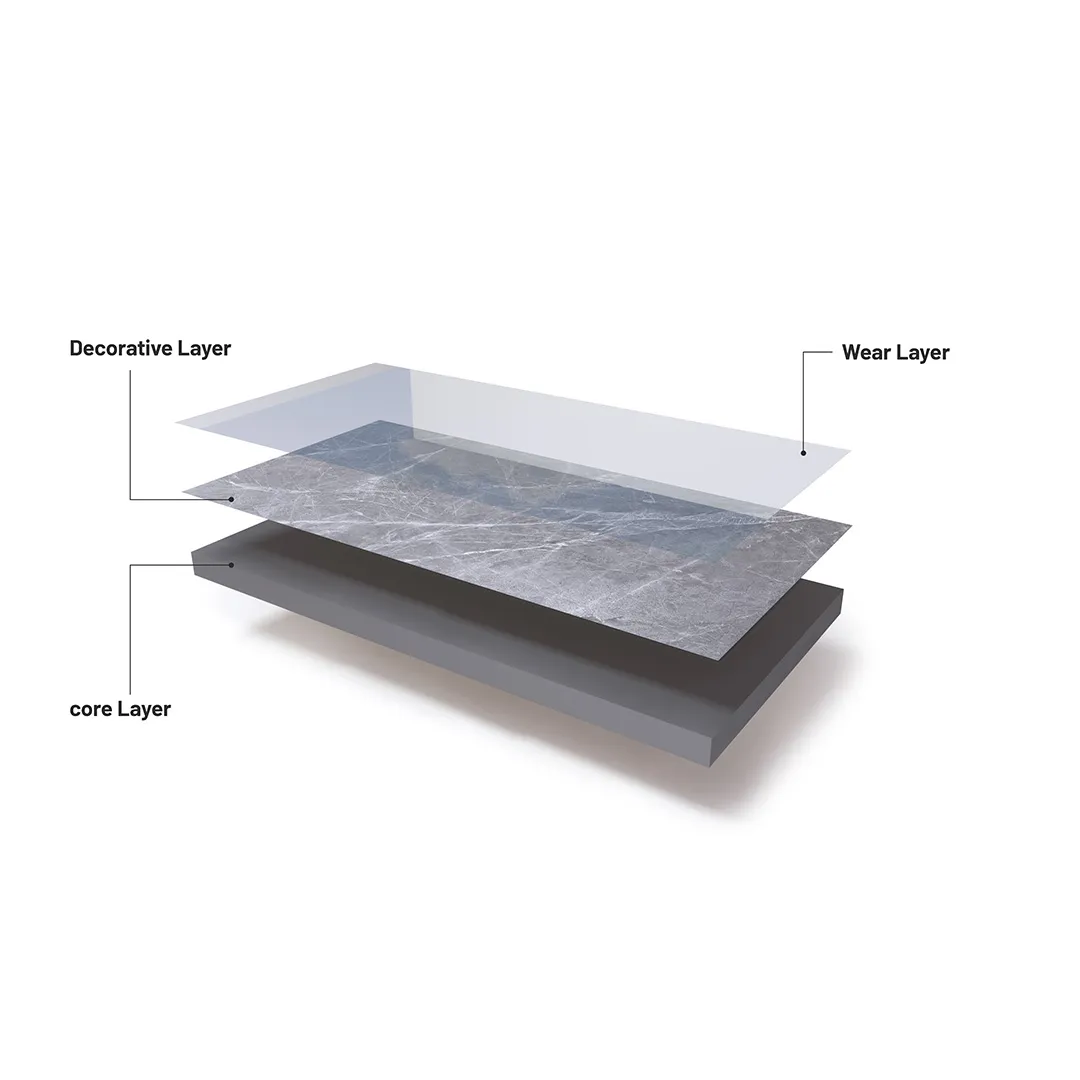
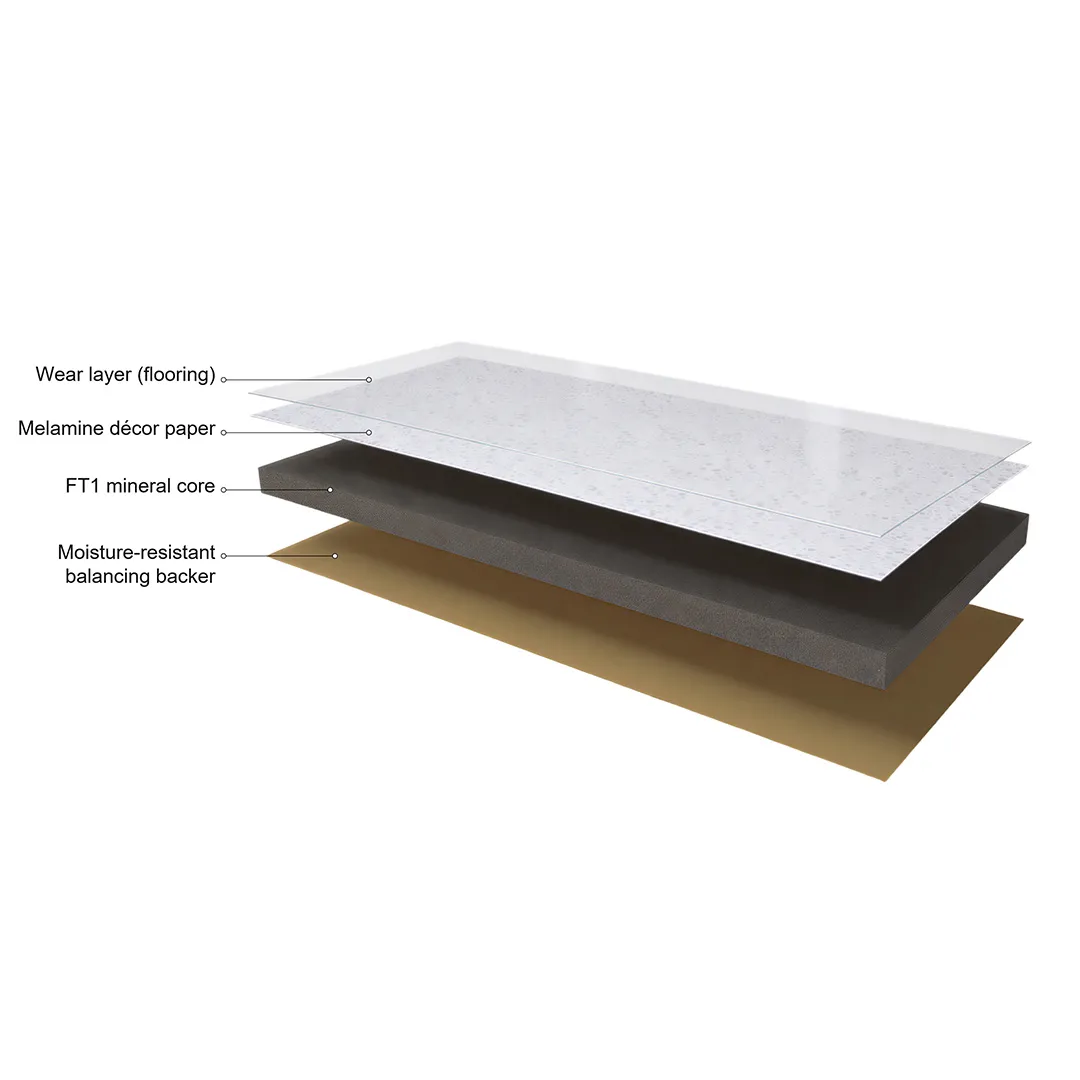
High-Performance Inorganic Cores (Carbon-Magnesium Boards - HTO):
Density: >1350kg/m³ with a water expansion rate under ≤1%(FT1).
Fire Rating: B1 to A2 fire-retardant performance.
Best Use: High-end commercial spaces, hospitals, and high-humidity public buildings.
3. Streamlining Procurement with Whole-Space Systems
Sourcing wall panels, flooring, and furniture components from multiple vendors often leads to mismatched colors, delayed shipments, and finger-pointing during installation.
LANSEN simplifies this workflow as an integrated commercial interior provider:
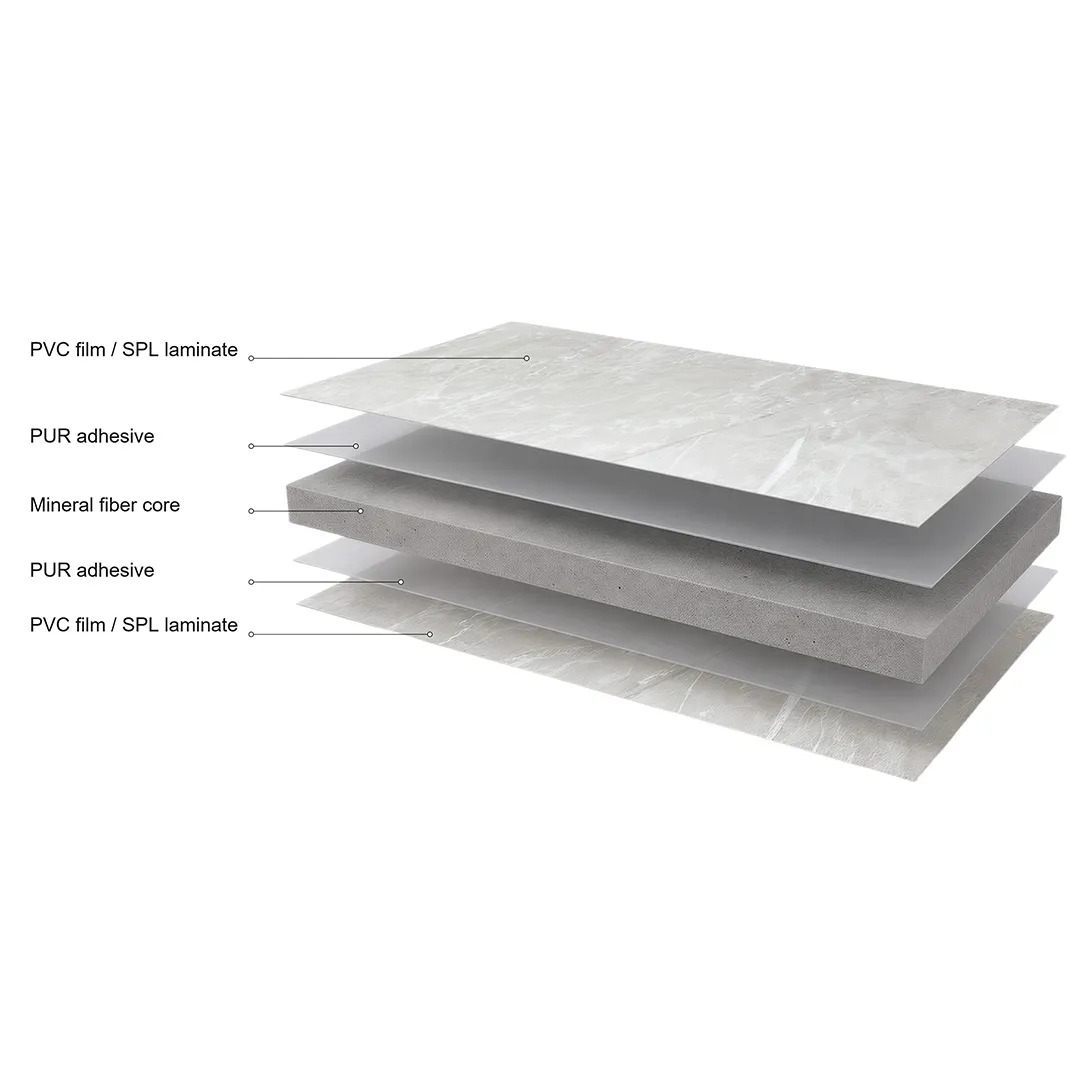
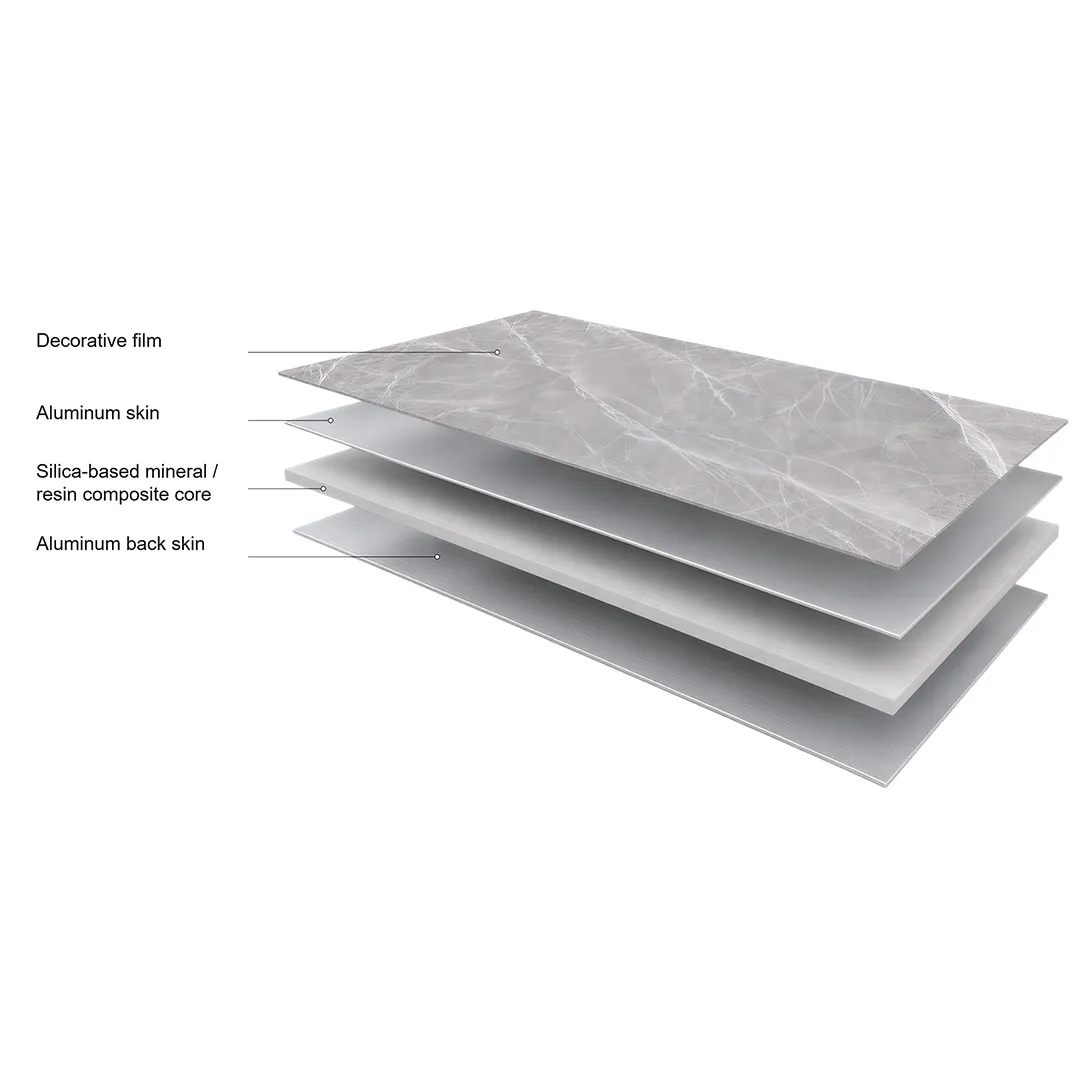
Synchronized Aesthetics: We offer uniform surface finishes (such as wood veneers, PET, PVC, and metallic laminates) across wall panels, flooring, and matching cabinetry boards.
Fast-Track Efficiency: Modular tongue-and-groove and specialized framing systems reduce on-site labor and shorten commercial downtime.
Frequently Asked Questions (FAQ)
1. How does material density affect commercial wall panel durability?
Higher density (such as ≥830kg/m³ for density boards or ≥1350kg/m³ for HTO carbon-magnesium boards) provides greater impact resistance, better screw-holding capacity, and higher resistance to daily wear in commercial environments.
2. Are WPC wall panels more cost-effective than traditional wood for hotels?
Yes. While the initial material cost of waterproof WPC solid boards is comparable to high-end wood, they eliminate long-term replacement and maintenance costs caused by moisture damage in hotel environments.
3. Can LANSEN provide matching flooring and cabinetry for commercial projects?
Yes. LANSEN manufactures an integrated system covering wall panels, flooring, and furniture boards, allowing designers to maintain a seamless design language throughout the entire project.