How to Choose Moisture-Proof and Fire-Rated Wall Panels for Commercial Spaces
Designing commercial interiors like hotels, restaurants, healthcare facilities, and retail stores presents a dual challenge: walls must withstand high humidity without warping or molding, while strictly complying with local building fire safety codes. Traditional wood-based panels often fail in these wet environments.
This guide outlines how to select and combine moisture-proof and fire-rated wall panels to ensure long-term durability and safety in demanding commercial spaces.
Quick Answer: Material Strategy for Humid Commercial Zones
For Restrooms, Kitchens, and High-Moisture Corridors: Choose waterproof composite or inorganic boards featuring a water absorption rate of ≤2% (such as WPC Solid Boards or Carbon-Magnesium Boards).
For Areas Requiring Strict Building Code Compliance: Opt for materials offering B1 or A2 fire-retardant ratings combined with E0 or ENF formaldehyde emission standards.
For Whole-Space Consistency: LANSEN provides synchronized commercial interior systems covering wall panels, flooring, and matching cabinetry, allowing project teams to maintain a unified aesthetic across different functional zones.
1. Understanding the Core Requirements of Commercial Wet Zones
Commercial interiors experience heavy daily wear, frequent cleaning, and constant humidity fluctuations. Selecting the wrong material leads to peeling laminates, structural swelling, and mold growth.
When evaluating wall panels for humid zones, focus on two non-negotiable metrics:
Water Absorption Rate: Must be strictly controlled (ideally ≤2% for waterproof categories) to prevent moisture expansion.
Fire Performance: Public commercial spaces require certified fire ratings (such as B1 or A2 class substrates) to slow flame spread.
2. Recommended LANSEN Substrate Solutions by Application
To match real-world project specifications, LANSEN provides targeted substrate options tailored for specific commercial scenarios:
Hospitality Guest Rooms & Apartment Corridors (WPC Solid / Mirror Boards - SM1):
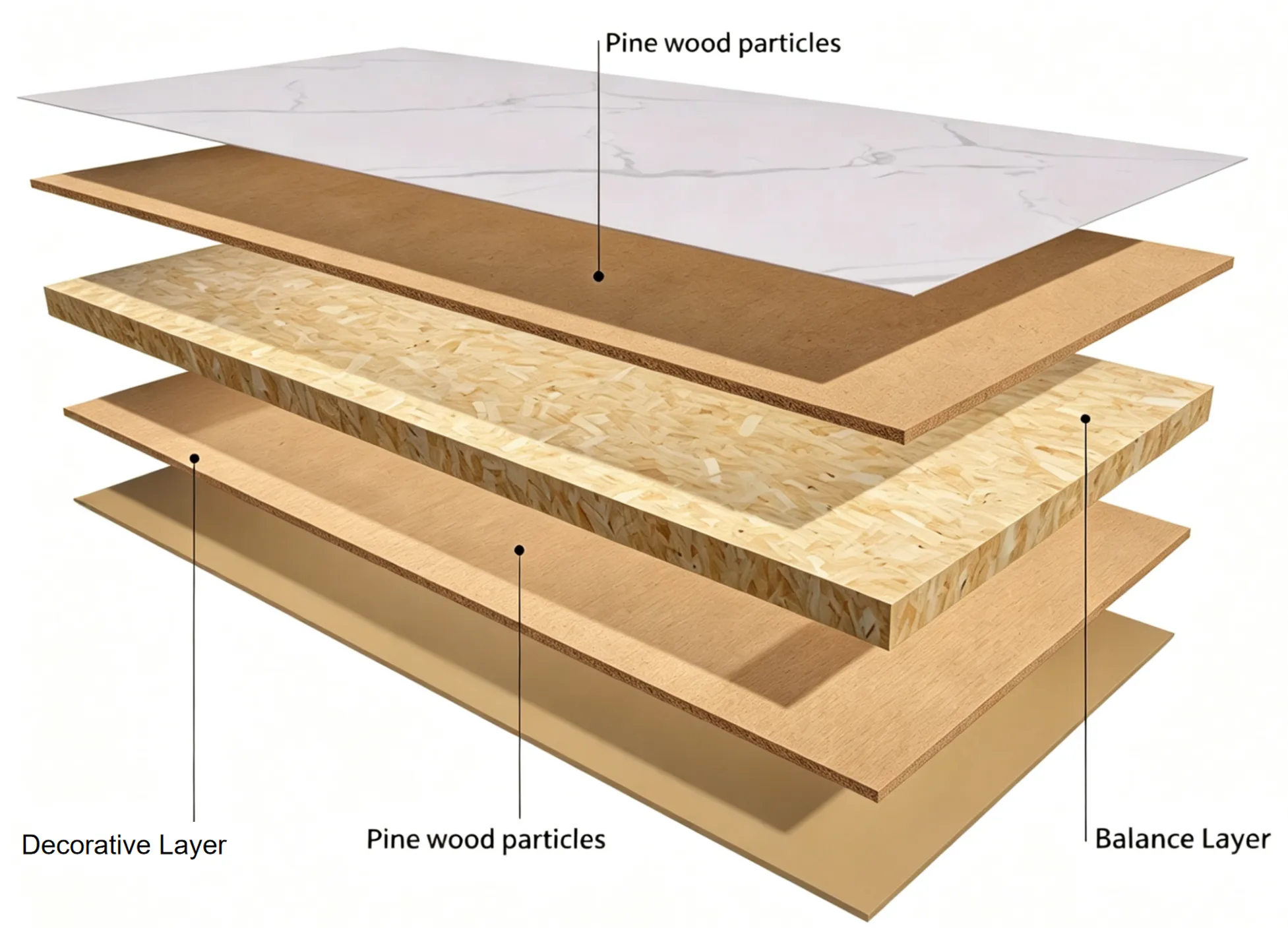
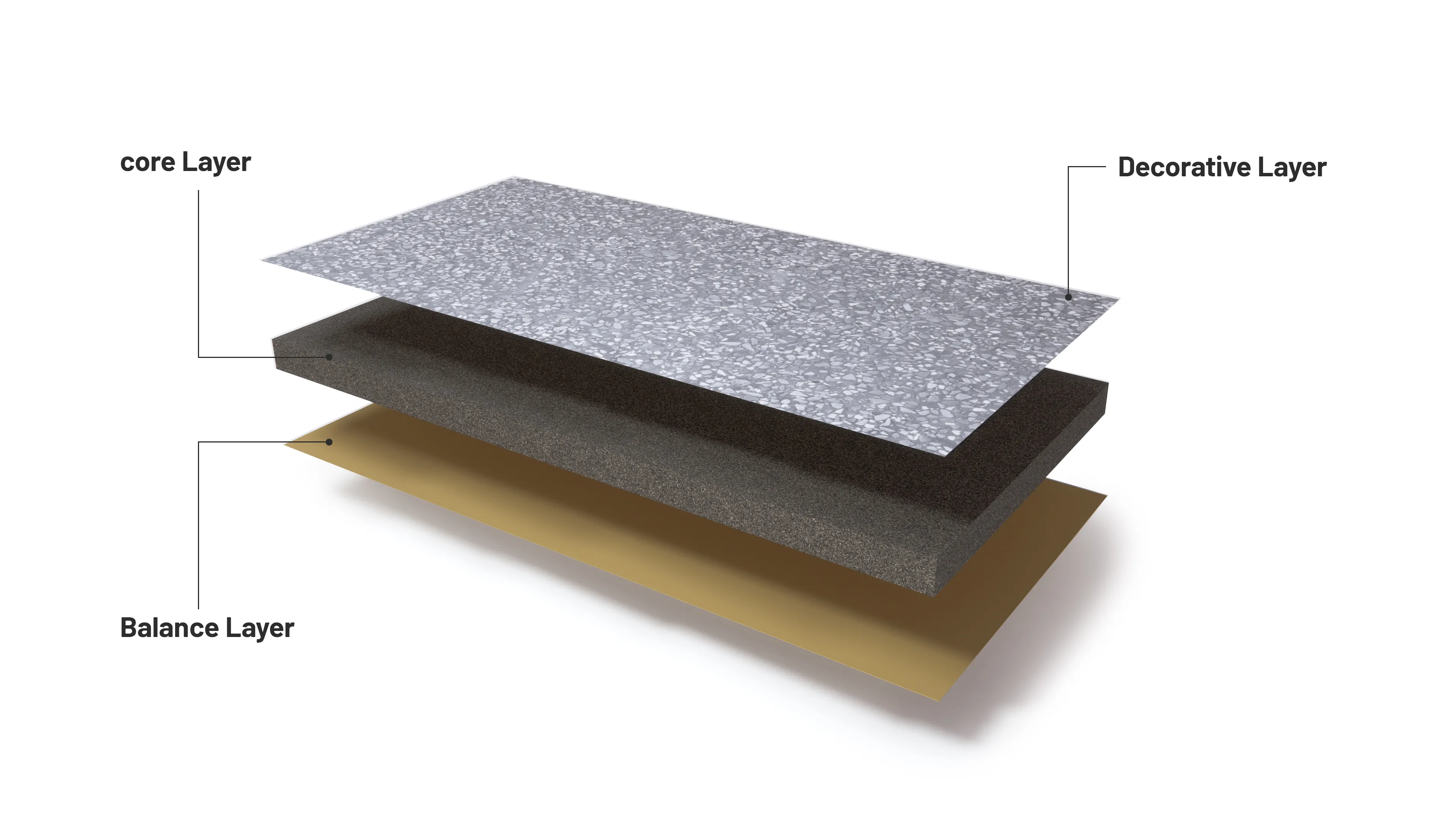
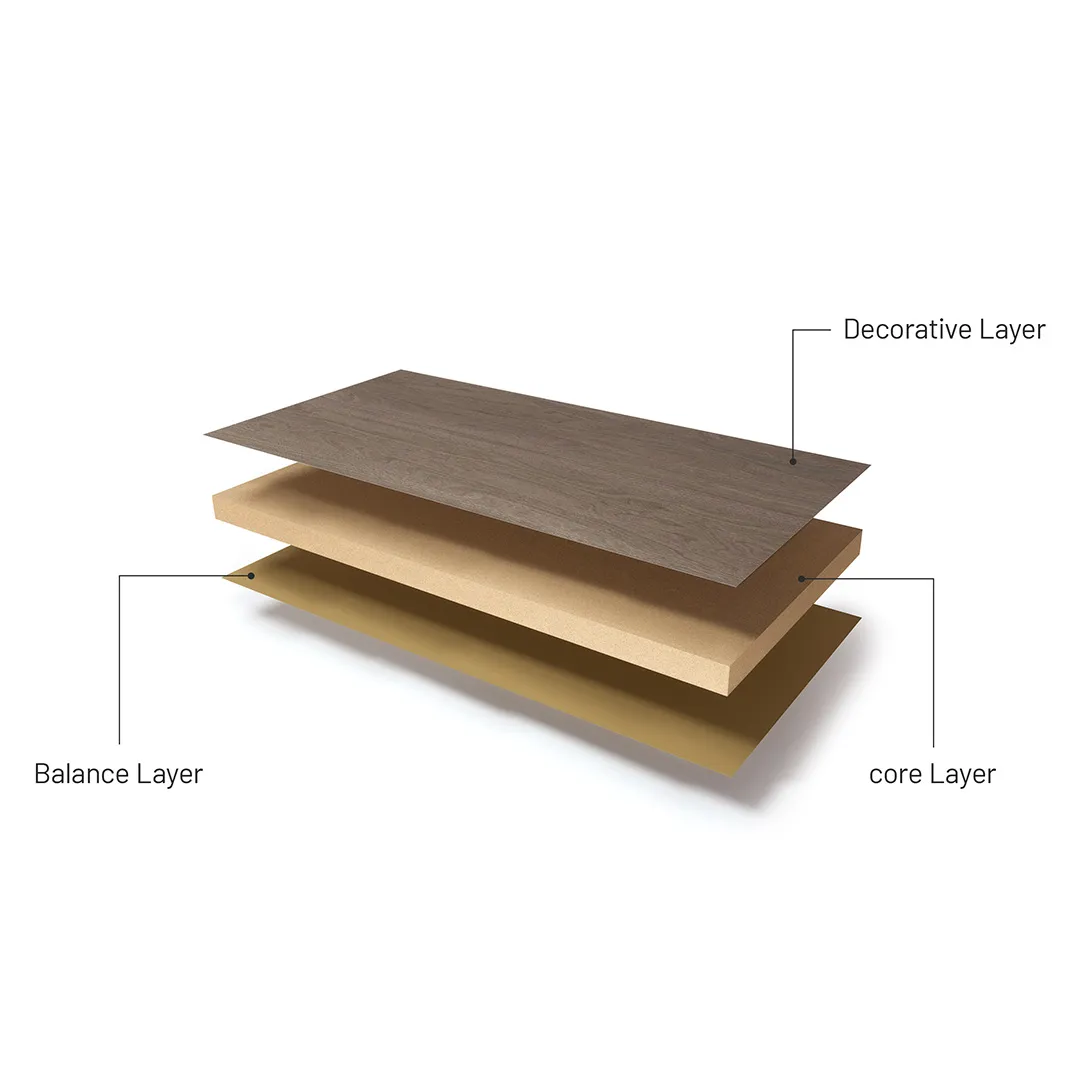
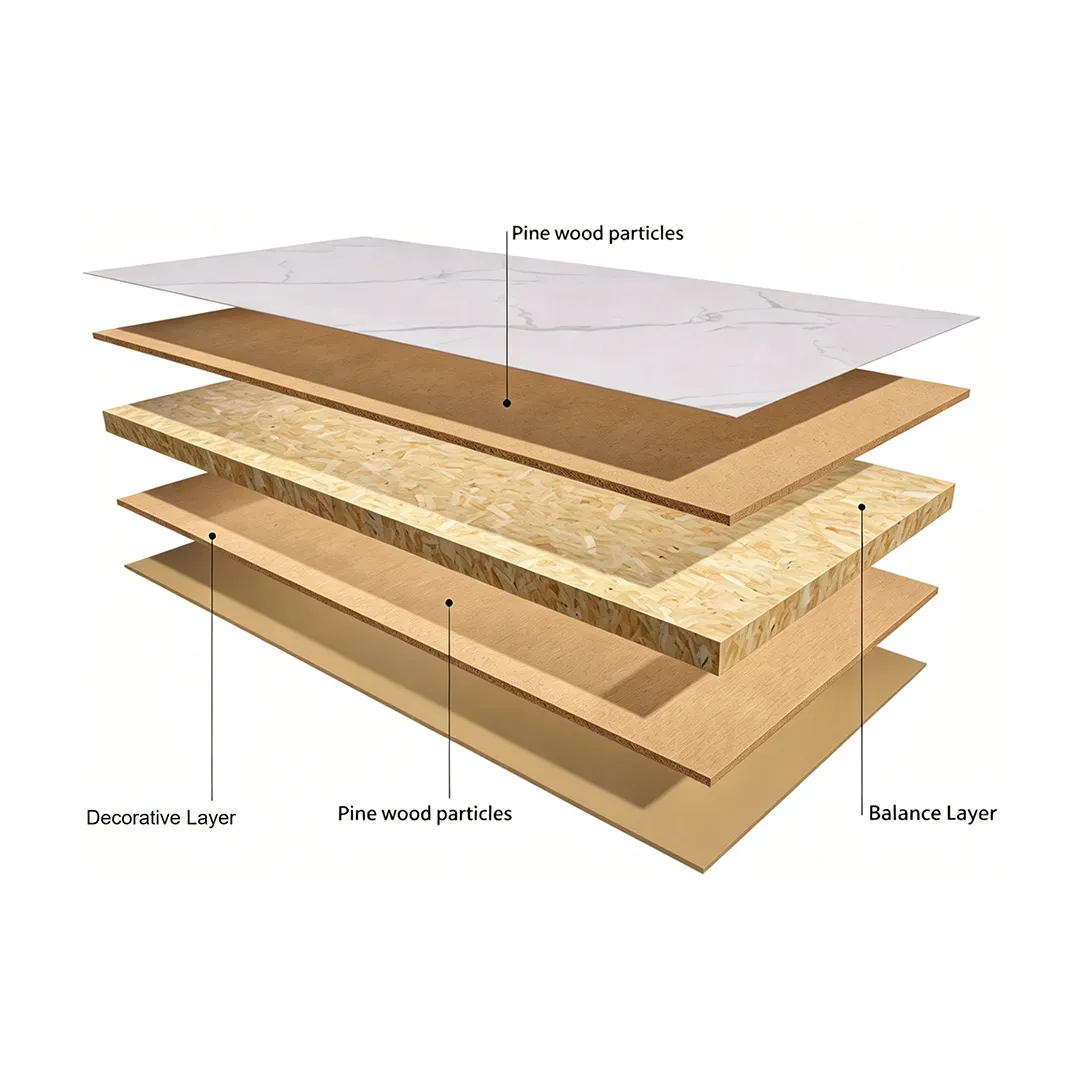
Core Benefits: Features a waterproof core made from plant fiber powder, natural wheat straw, and virgin resin, offering a stable 600-800kg/m³ density.
Application Edge: Lightweight, fast-installing, and highly resistant to moisture, making it ideal for rapid hotel renovations and retail store build-outs.
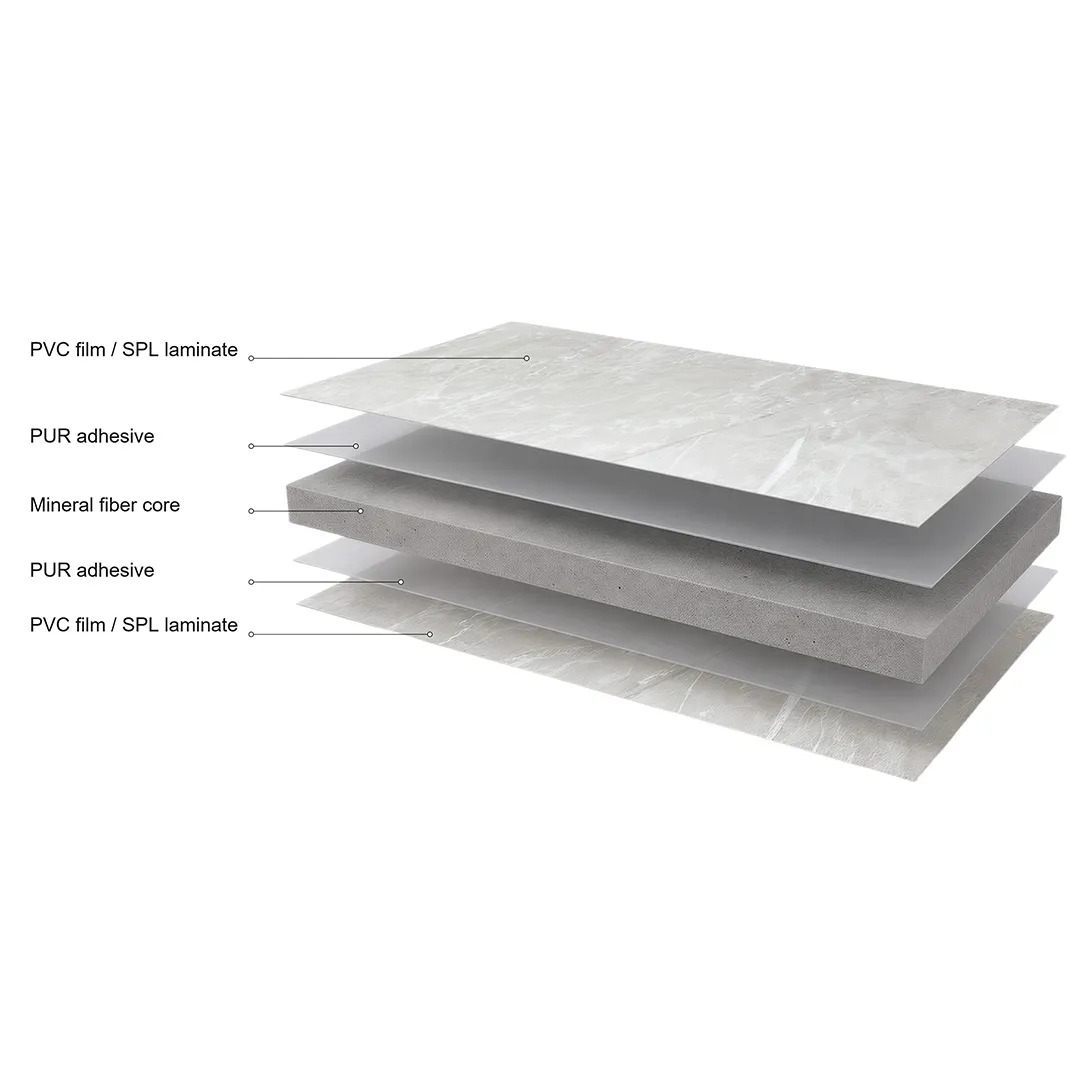
High-Humidity Public Restrooms & Healthcare Facilities (Carbon-Magnesium Boards - HTO):
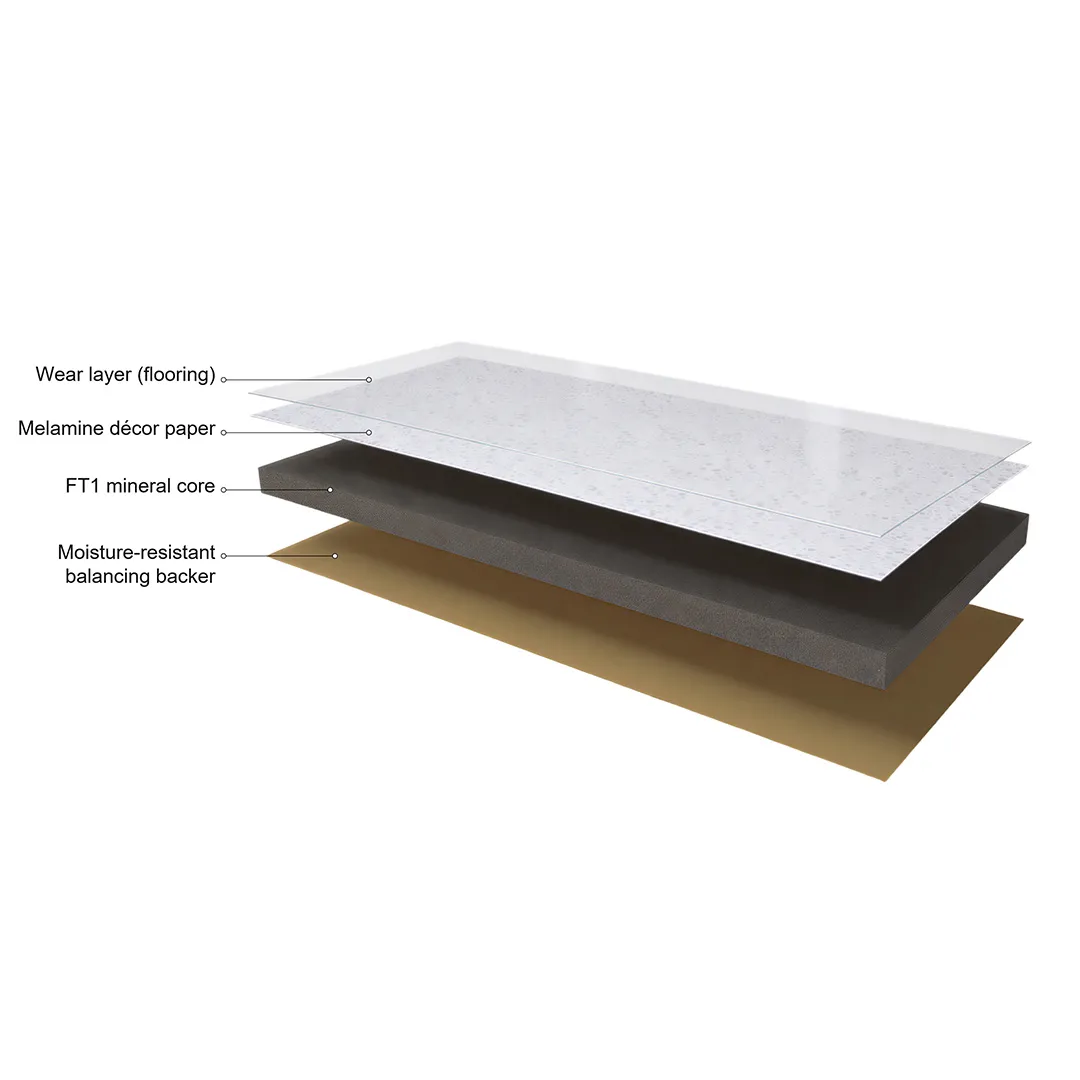
Core Benefits: Delivers an impressive density of 1350kg/m³ with a water expansion rate of ≤1% (FT1).
Application Edge: Combines exceptional moisture stability with B1-to-A2 fire protection, serving as a premium alternative for demanding public environments.
Rapid-Installation Commercial Flooring (SPC Boards):
3. Streamlining Installation and Maintenance
Beyond raw material specs, commercial project timelines demand efficient installation methods:
Speed to Market: WPC and stone-plastic composite systems allow for fast, straightforward assembly, reducing labor hours and downtime for revenue-generating spaces like hotels and retail stores.
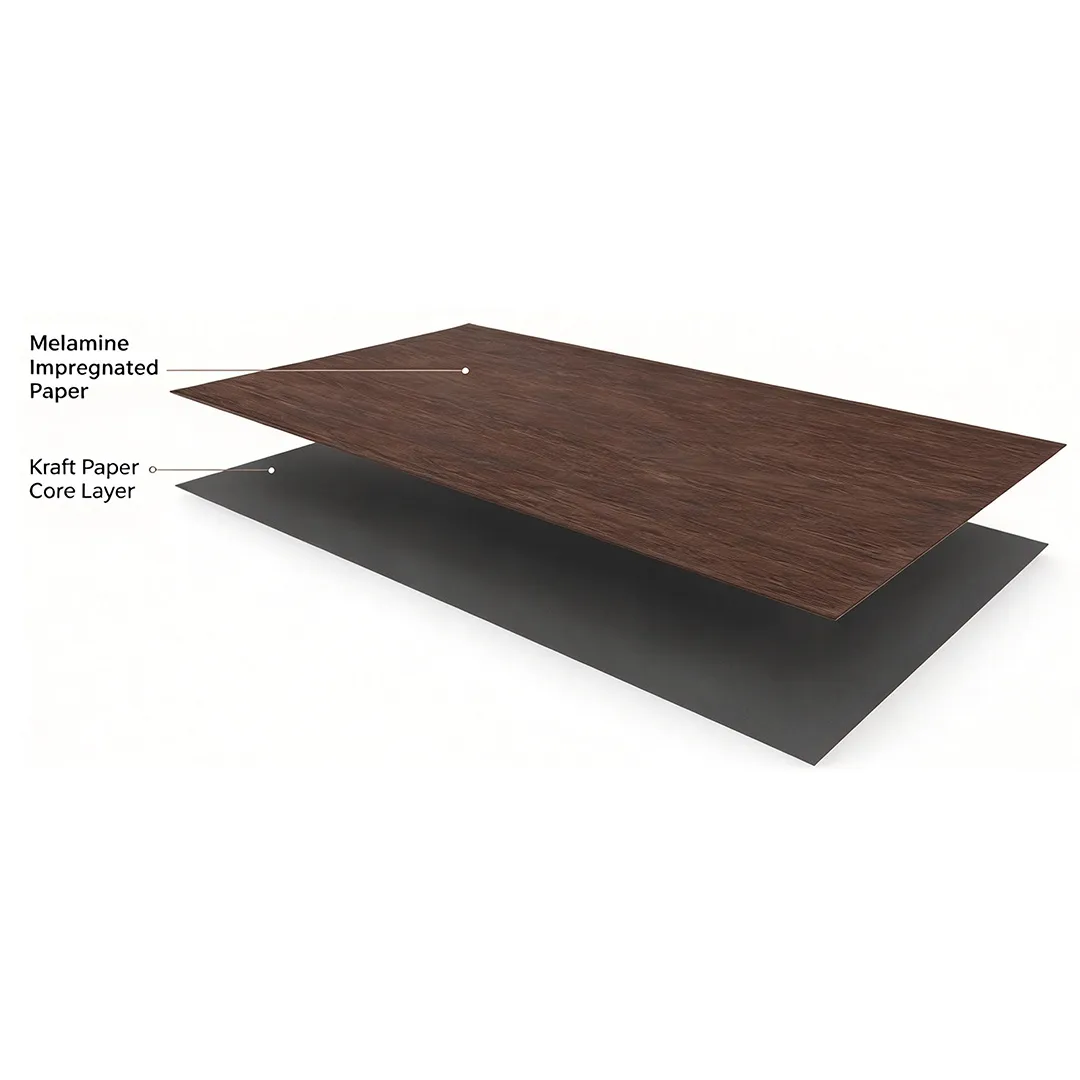
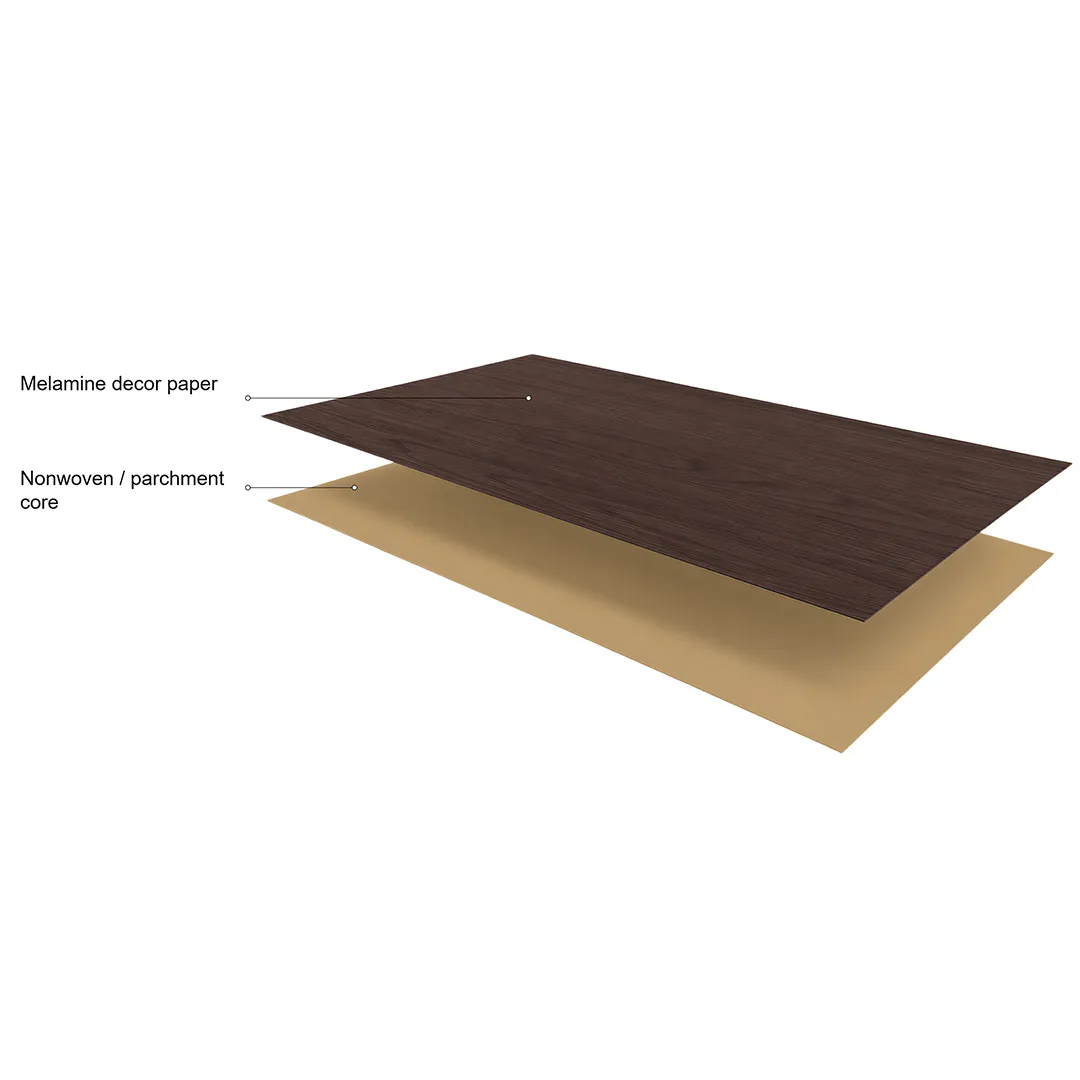
Unified Maintenance: Utilizing consistent surface finishes (such as PET, PVC, or wood textures) across walls, doors, and furniture components ensures easier cleaning and long-term visual harmony.
Frequently Asked Questions (FAQ)
1. Are WPC wall panels completely waterproof for commercial showers?
LANSEN WPC solid boards feature a waterproof core with a water absorption rate under 2%, making them highly suitable for high-humidity areas like hotel corridors and restroom perimeters, though direct continuous water immersion should follow specific architectural waterproofing guidelines.
2. What fire ratings do LANSEN commercial panels achieve?
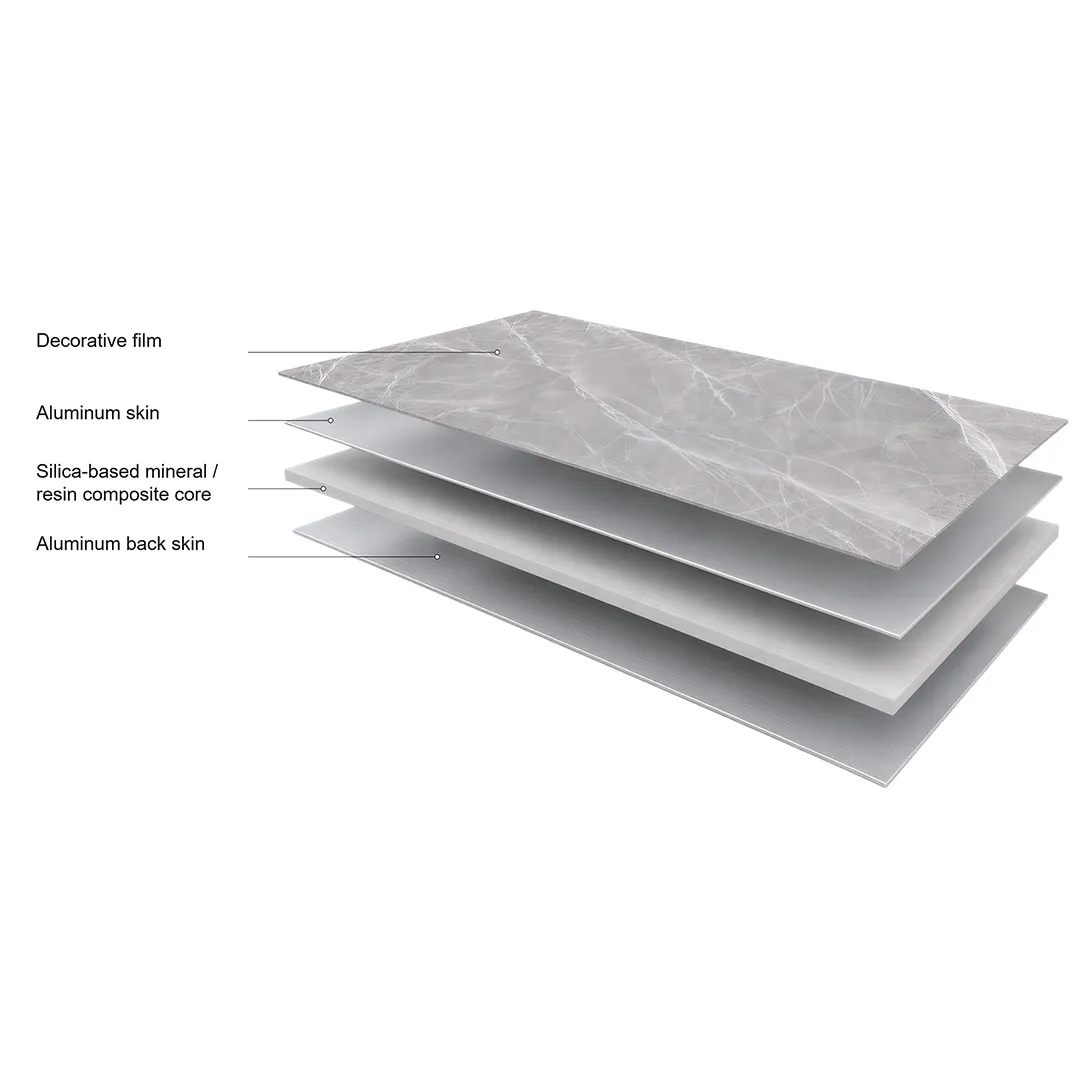
Depending on the selected series, LANSEN offers options ranging from B2 and B1 fire-retardant standards up to A2 class inorganic mineral cores (such as Carbon-Magnesium and aluminum honeycomb structures).
3. Can LANSEN provide matching floors and wall panels for a hotel project?
Yes. LANSEN operates as an integrated commercial interior provider, supplying coordinated wall panels, flooring, and custom furniture components (cabinetry boards) to ensure a seamless design language throughout the project.