May 14, 2026

What are you looking for?
In the realm of contemporary architecture, the choice of material is no longer just a functional necessity; it is a sensory experience. Today’s high-end interiors demand more than just wood-grain panels—they require a haptic connection between the user and the space. While giants like Cleaf have set the bar for "Made in Italy" textures, a new wave of innovation is emerging that marries this aesthetic precision with enhanced durability and sustainable manufacturing.
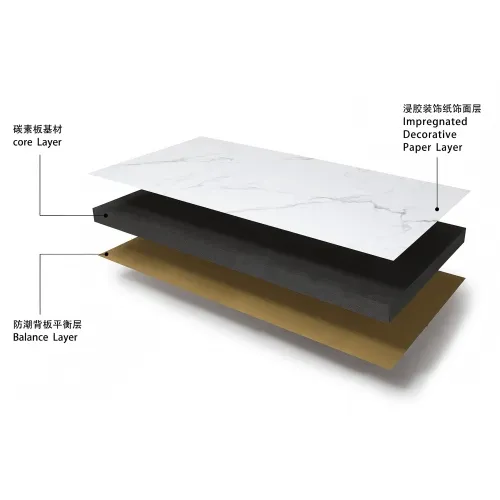
Lansen Panels has positioned itself at the forefront of this shift, focusing on high-performance decorative panels that serve as the backbone for luxury furniture and innovative wall cladding. With advanced Embossed-in-Register (EIR) textures, we eliminate visual gaps between natural wood and engineered panels.
In the past, designers chose panels based on color palettes. Today, the "hand-feel" or haptic quality of a surface is the deciding factor. Synced-pore technology allows us to align the visual grain of the wood with the physical indentation on the melamine surface.
This technological leap provides the warmth of oak, walnut, or teak without the environmental toll or the maintenance burden of solid timber. Similar to the premium offerings of Pfleiderer, LANSEN’s commitment to texture ensures that every light reflection and shadow on a panel contributes to the room’s atmosphere.
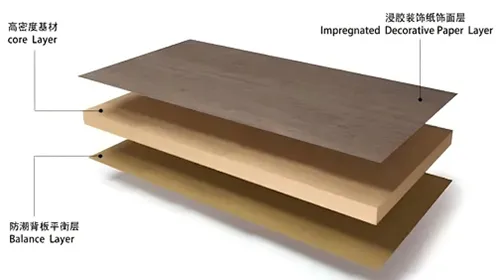
Modern specifications frequently require LEED or FSC certification. The industry is moving away from virgin timber toward highly efficient, circular economies. Companies like Berneck and LANSEN are proving that high-density fiberboards (HDF) and moisture-resistant MDF can be produced using recycled wood fibers without compromising the structural integrity or the elegance of the finish. This "green" foundation allows for the creation of spaces that are as healthy for the planet as they are beautiful for the inhabitant.
1. What is the difference between EIR and standard melamine?
EIR (Embossed In Register) synchronizes the physical texture with the printed wood grain, creating a realistic depth that standard flat melamine cannot match.
2. Are Lansen Panels suitable for high-moisture areas?
Yes, we offer specialized moisture-resistant (MR) cores specifically designed for bathroom and kitchen applications.
3. How do these panels compare to natural wood veneer?
They offer superior scratch resistance, UV stability (no fading), and consistency in color across large-scale projects, which is often difficult to achieve with natural veneers.
4. What are the standard dimensions available?
Standard architectural sizes include 1220mm x 2440mm (4x8 ft), with various thicknesses ranging from 9mm to 25mm.
5. Are the materials eco-friendly?
Absolutely. We prioritize E0 and E1 emission standards and source fibers from sustainable forestry.
References:
Trends in Haptic Surfaces:Cleaf Official Site
Sustainability in Wood Panels:Berneck Sustainability Report
Reference Website:ArchDaily - Material Trends