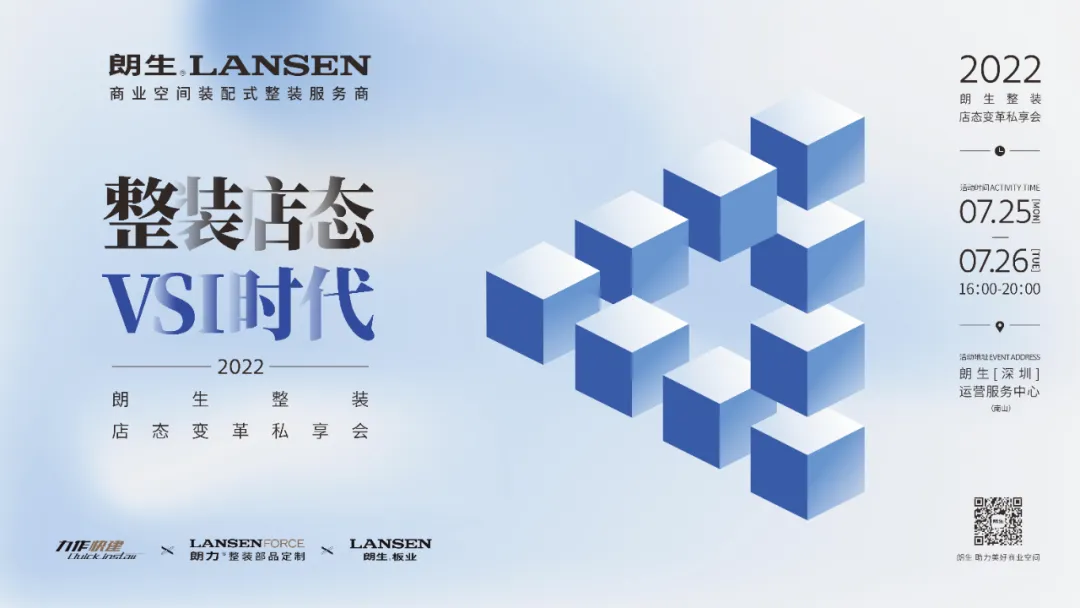
LANSEN x KUKA Home: A Private Salon on VSI Store-Format Transformation
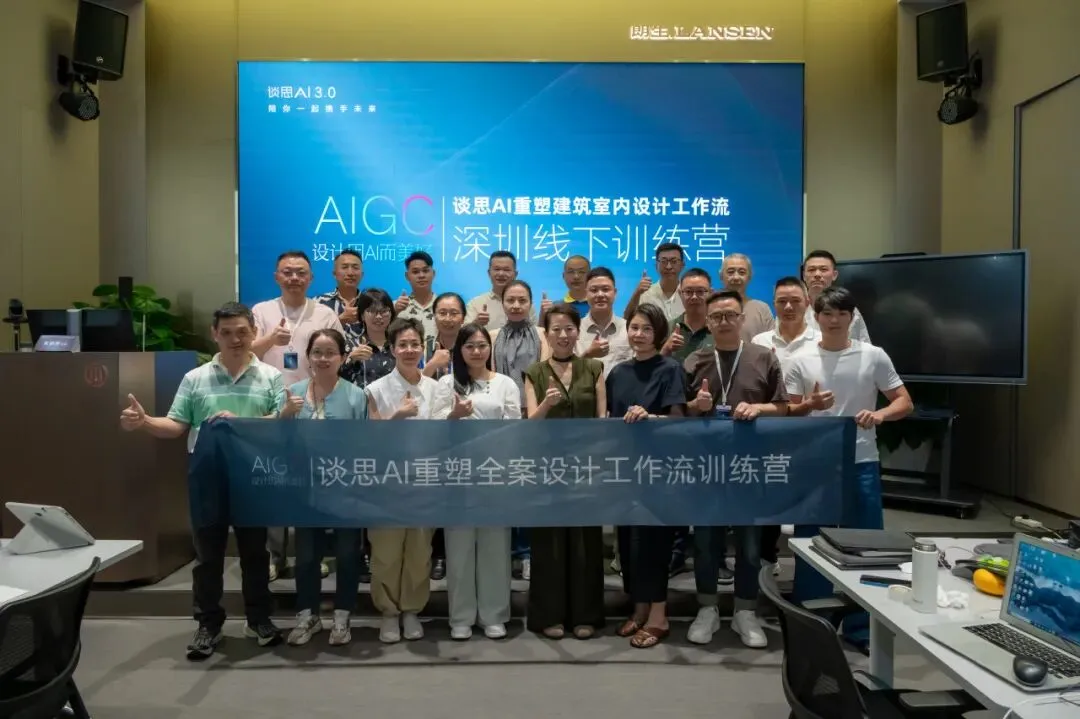
On July 26 at 2:00 PM, LANSEN welcomed the KUKA Home store-format operations team to its Nanshan (Shenzhen) experience center for the “2022 LANSEN Store-Format VSI Transformation Private Salon.” Attendees included Miao Guanglin, Deputy GM of KUKA’s Store-Format Operations Center, Tan from KUKA’s supplier management team, and LANSEN leaders Wang Li (GM, Integrated Fit-Out Business Unit), Ling Fei (GM, TOB Sales Center), Zhong Xu (GM, Foshan LANSEN), and Kang Wei (GM, Marketing Service Center). The room was small, but the question was big: in a market where new brands appear overnight, how does a retail store stay competitive without slowing down the launch cycle?
Showroom First, Then the System
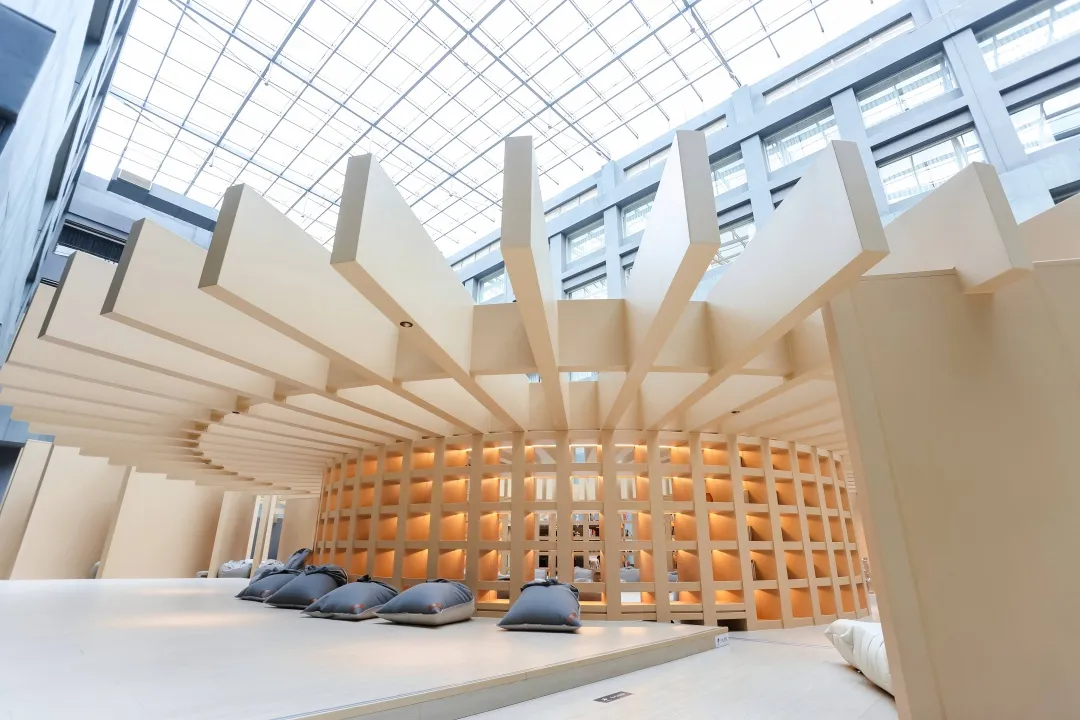
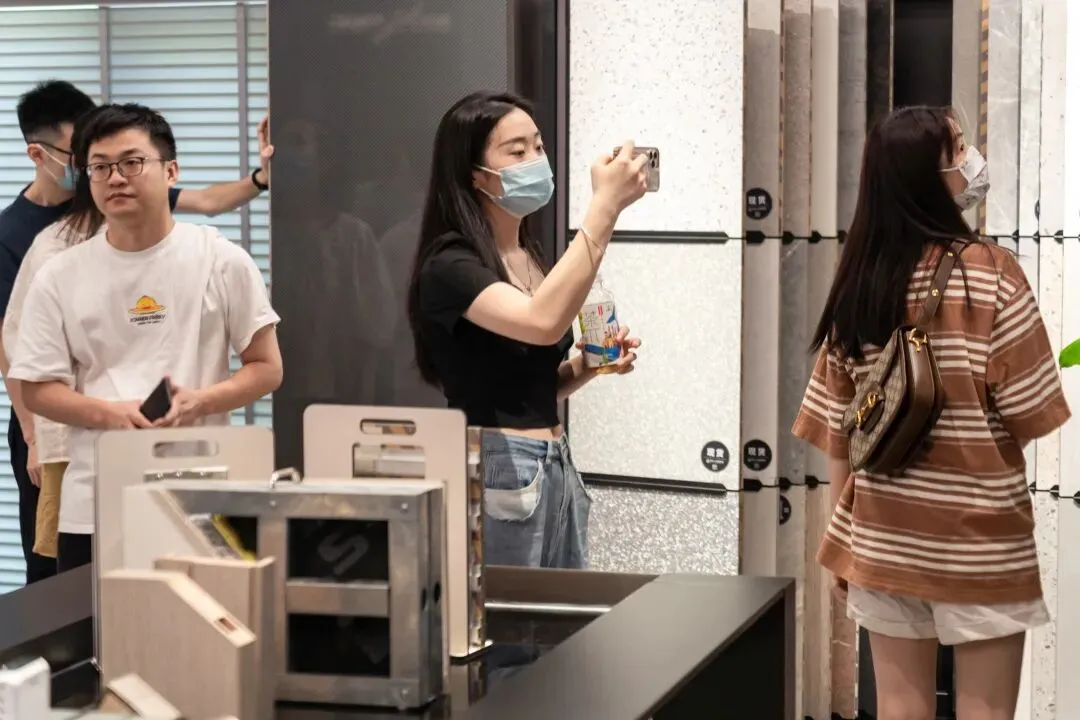
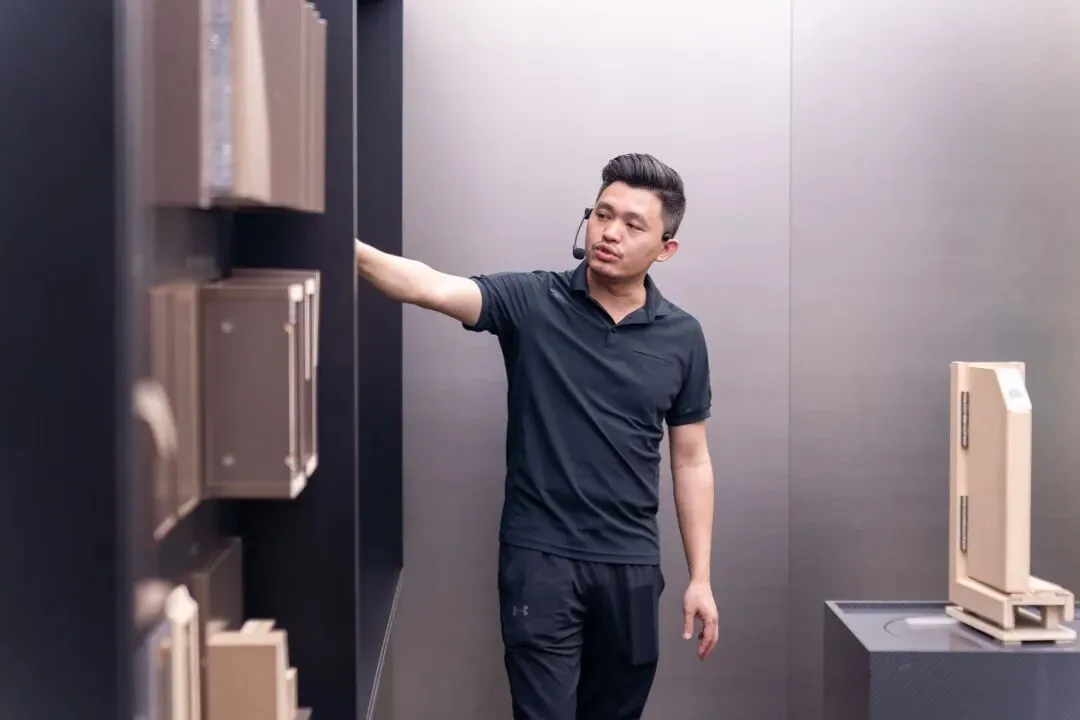
Wang Li opened by walking the KUKA team through the Nanshan showroom—explaining the function and design logic behind each scenario space. He then framed the core theme, “Integrated Store Format, the VSI Era,” across four angles: new store-format trends, why VSI matters now, what whole-store fit-out means, and real project cases. His point: VSI (Visual Space Integration) is no longer a premium option. It is the infrastructure for brands that need to capture market share quickly while keeping every store visually consistent.
The KUKA Problem, The LANSEN Answer
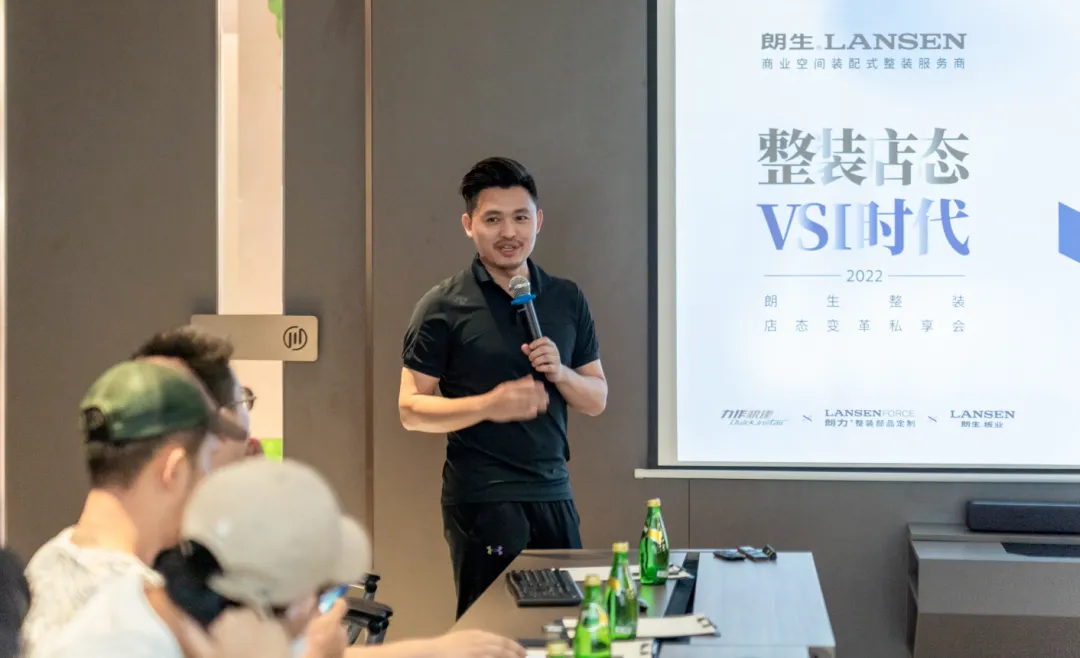
Ling Fei made the commercial case blunt. KUKA launches new products fast—but fast launches often break the in-store scene: the background wall, lighting, and fixtures no longer match the new collection. LANSEN’s answer is a swappable store system. Instead of renovating the whole unit, the terminal can replace scenes and adjust store format quickly, because walls, surfaces, and modules are designed to be recombined, not rebuilt.
X-Wall and the Modular Backbone
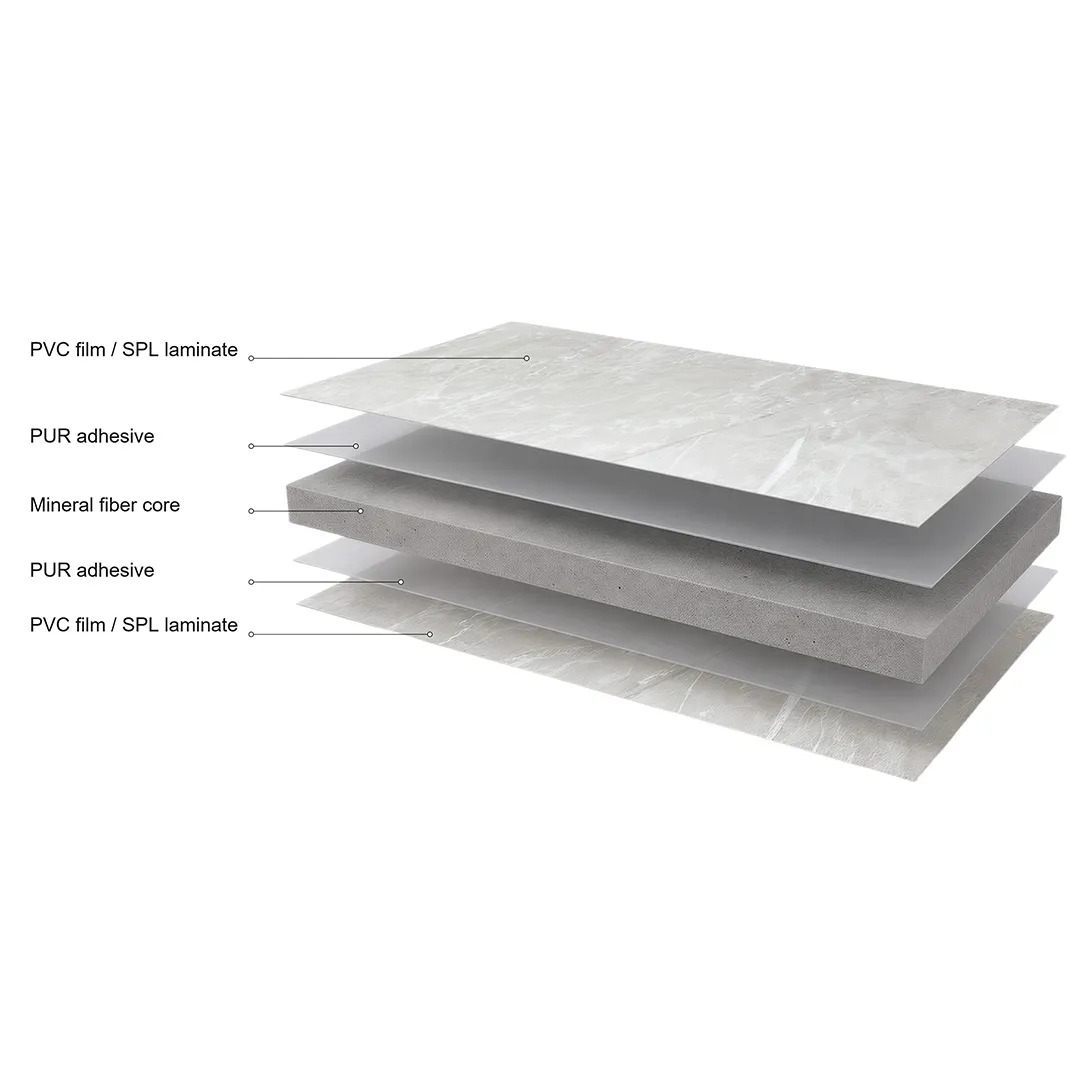
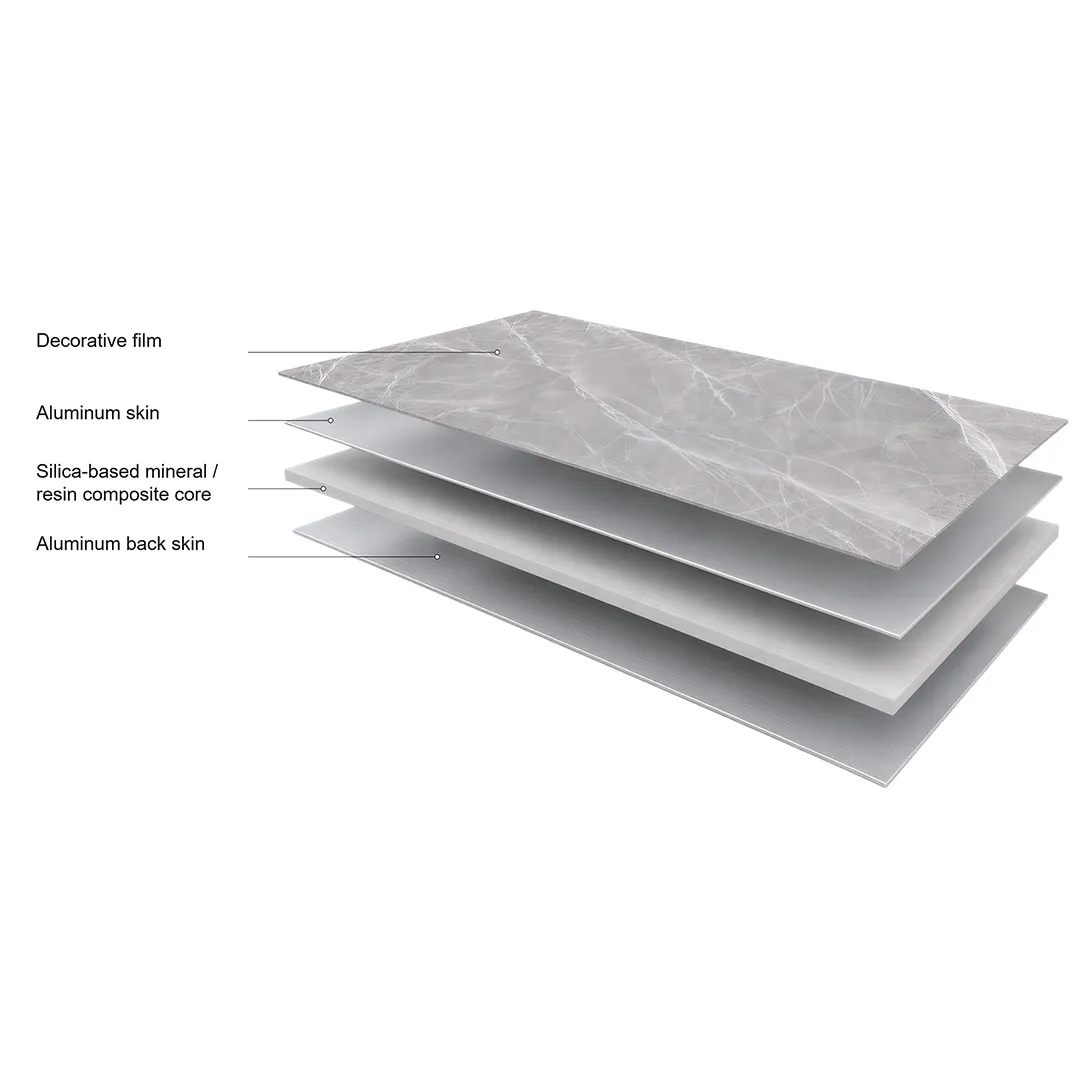
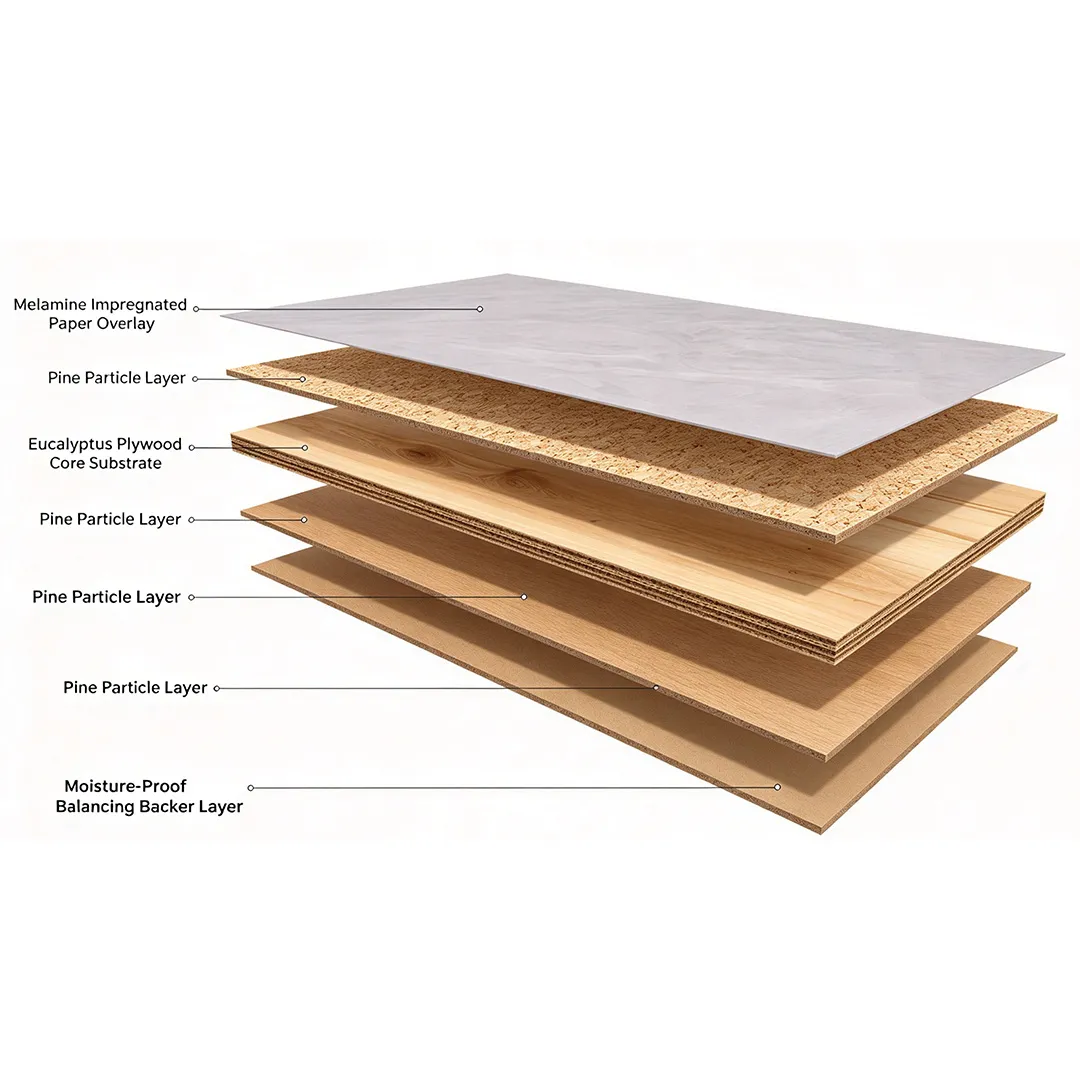
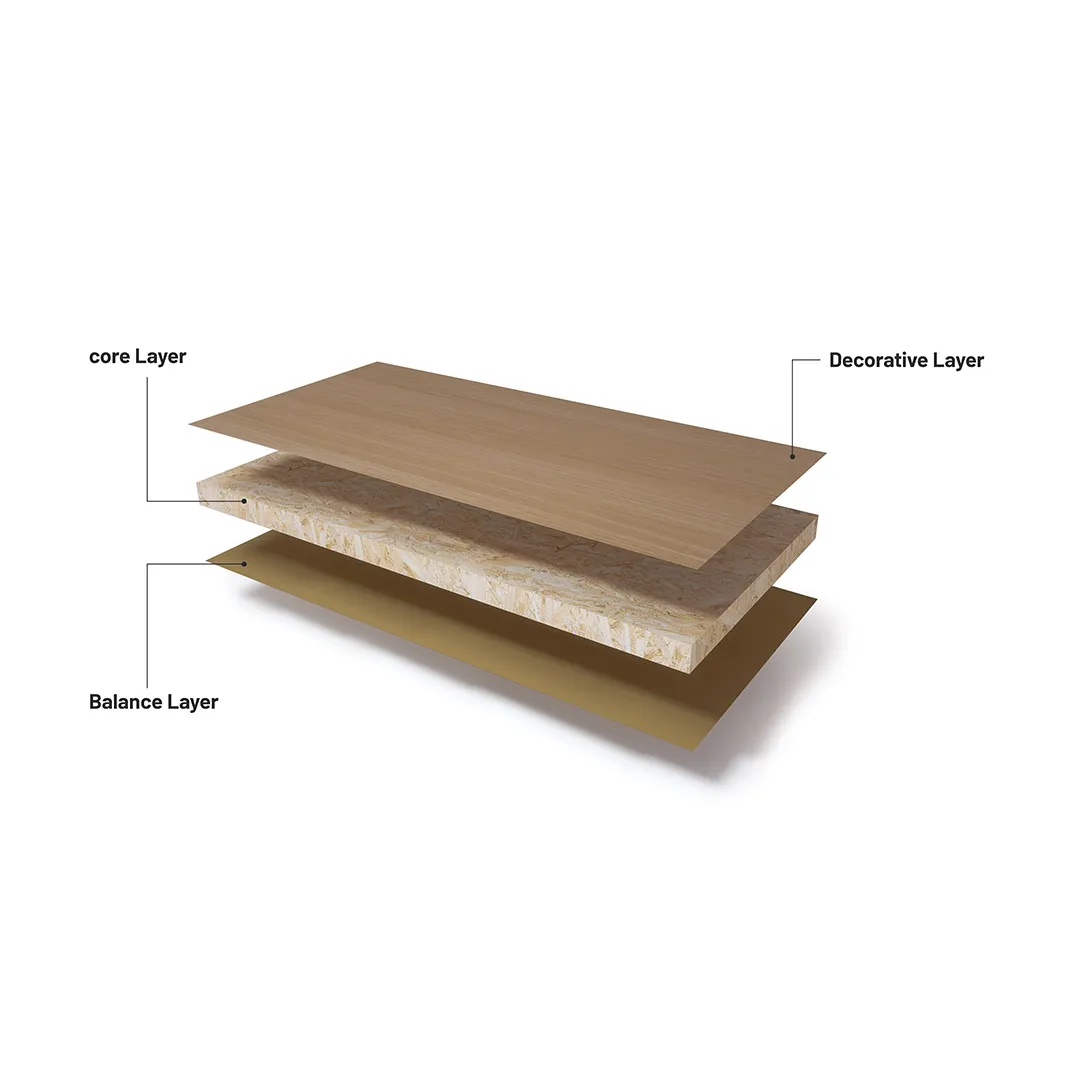
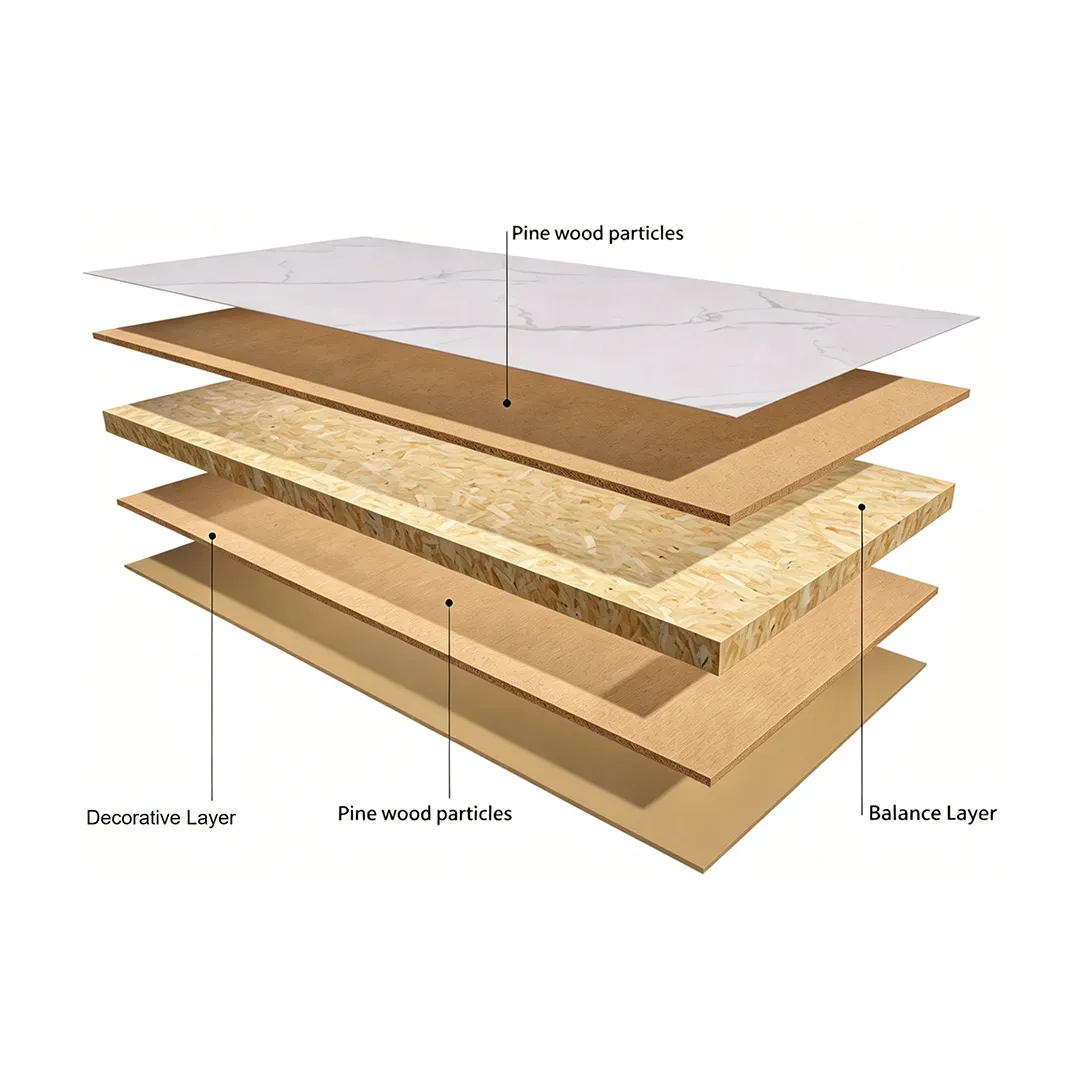
Zhong Xu then presented a concrete KUKA background-wall solution built on five layers: the X-Wall wall system, the 7×21 service system, standard module architecture, base-panel systems, and modular background-wall applications. The proposal landed well with the KUKA team—because it spoke their language. A background wall is not a decoration; it is a repeatable, shippable, installable component that carries the brand’s identity across thousands of stores.
Open Channel, Long-Term Partnership
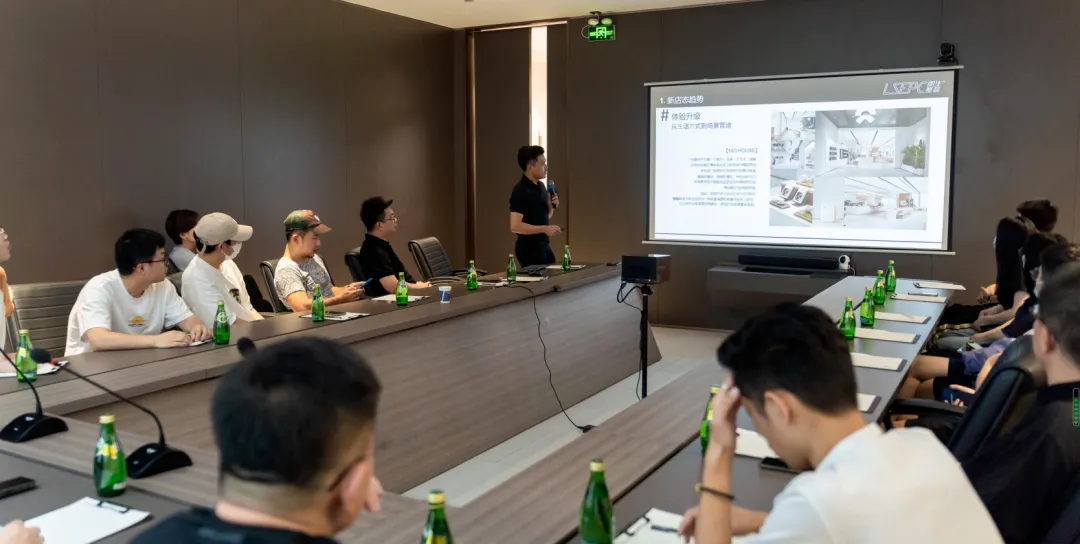
Kang Wei closed with an invitation: build a long-term communication mechanism, stay candid about feedback, and grow together toward better-quality living for consumers. Miao Guanglin thanked LANSEN for the knowledge transfer—sharing commercial fundamentals and the latest fit-out technology—and called for deeper dialogue between KUKA designers and LANSEN engineers. The salon ended not with a contract pitch, but with a shared roadmap: co-design, co-iterate, and let the store format evolve as fast as the product does.
Why VSI Matters for Chain Retail
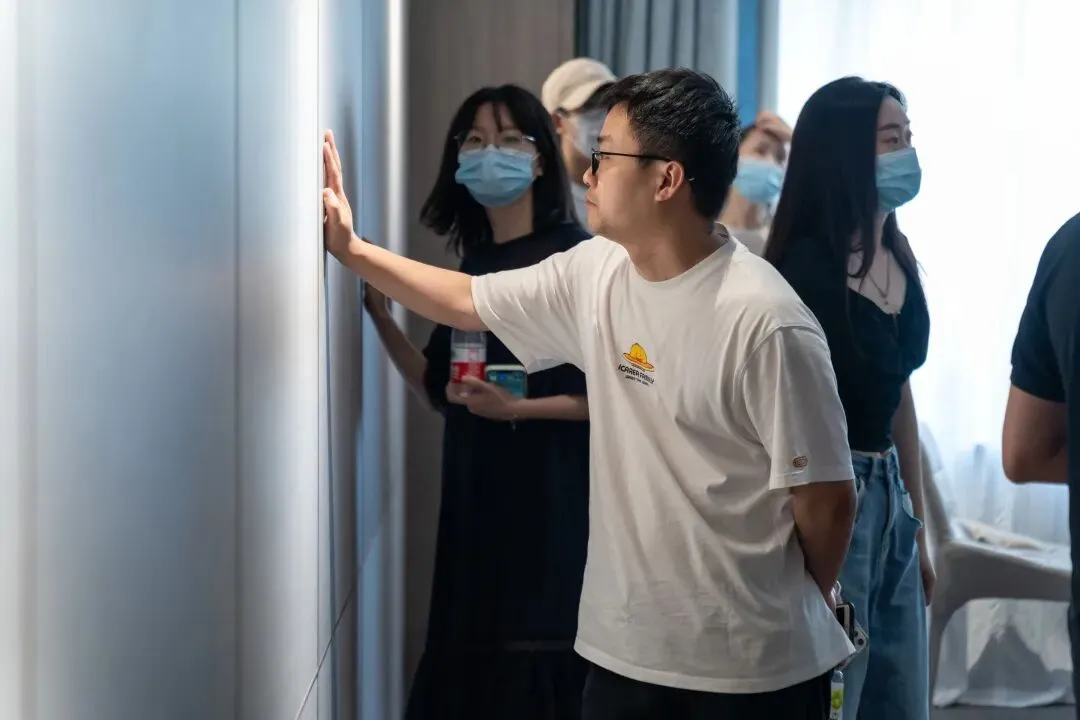
When a brand refreshes collections every season, static interior construction becomes a liability. VSI turns the store into a configurable product: standardized modules, consistent material language, faster site assembly, easier later renovation. For KUKA, that means new arrivals look right on day one. For LANSEN, it validates the same principle behind every project—design decides the ceiling, delivery decides the floor.
About LANSEN
Founded in 2006 and headquartered in Shenzhen, LANSEN is a commercial space prefabricated interior solutions provider. We specialize in decorative surfaces, wall systems, flooring visuals, cabinetry finishes, and turnkey fit-out solutions for chain retail, F&B, hospitality, wellness, medical aesthetics, and workspace brands. With flexible manufacturing, a national delivery network, and full-link capabilities from R&D to on-site assembly, LANSEN helps brands turn spatial vision into repeatable, high-performance business infrastructure.
Published: 2022-07-29